
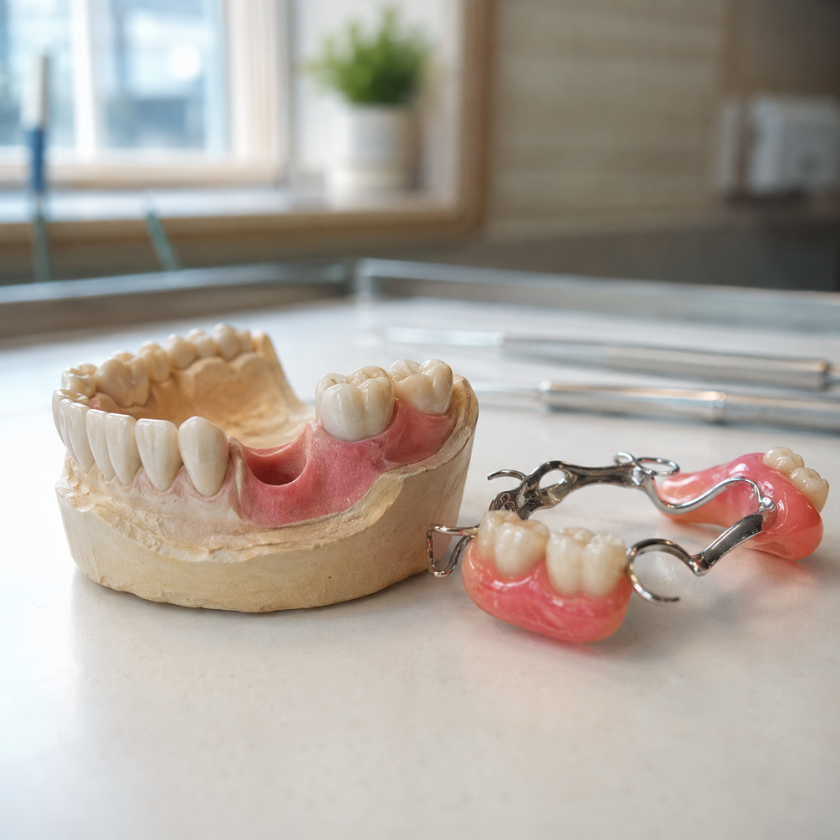


Denture Stains and Odors Start Overnight
Most people assume denture stains show up gradually over months, but the truth is messier than that. Every plate you wear picks up a fresh coating of proteins from saliva within hours of insertion, and that coating becomes the surface that coffee, tea, red sauce, and tobacco cling to first. Left overnight without cleaning, that same layer thickens into a film that traps odor-causing compounds long before any visible discoloration appears. By the time you notice a yellow tint along the gum line or a smell that toothpaste alone will not fix, the buildup has usually been forming for weeks. Understanding that stains and odors share one root cause, rather than treating them as two separate annoyances, changes how you approach prevention altogether.
The Bacteria Behind That Lingering Smell
Dentures are porous on a microscopic level, even the smooth acrylic ones, which gives bacteria and yeast plenty of surface area to settle into. Once those organisms establish themselves, they produce sulfur compounds as a byproduct, and that is the source of the sour or musty smell many wearers describe. It is not a hygiene failure in the way people assume; it is simply what happens when a warm, moist prosthetic sits against oral tissue for hours at a time.
According to research published by the National Institutes of Health on daily denture biofilm removal, denture surfaces can harbor more than one hundred billion microbial cells per gram when cleaning is skipped or inconsistent, which explains why odor can return within a single day of neglect even after a thorough scrub the week before.
That number sounds alarming, but it also explains why daily removal matters more than occasional deep cleaning. A denture cleaned once a week, no matter how carefully, gives bacteria six full days to recolonize. Consistency beats intensity here, and that single idea underlies almost every recommendation in this guide.
Daily Habits That Keep Dentures Fresh
A simple, repeatable routine does more for stain and odor prevention than any single product on the market. The goal is to disrupt buildup before it hardens, since soft plaque wipes away easily while set-in stains require far more effort to remove.
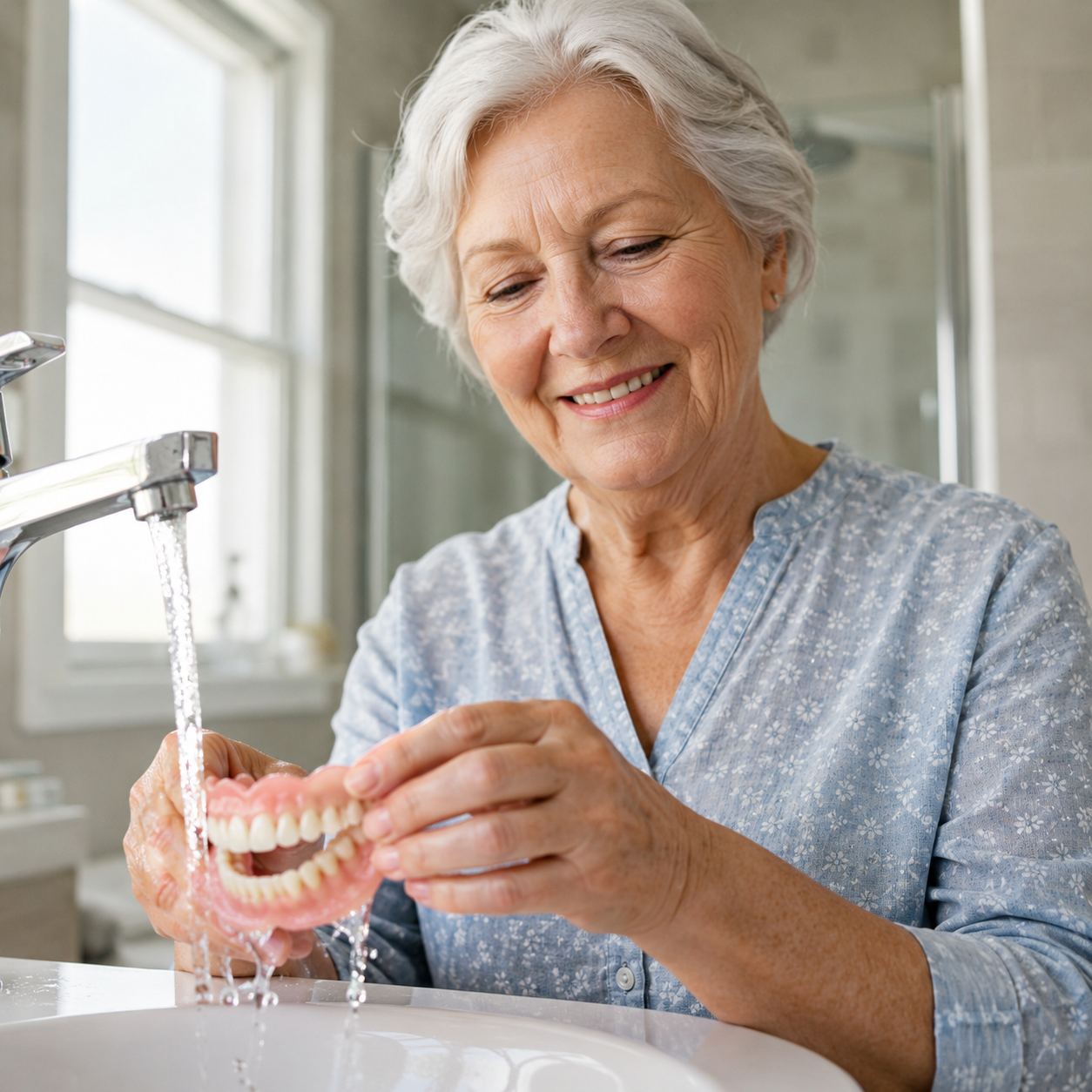
- Remove and rinse dentures after every meal to clear loose food particles
- Brush all surfaces daily with a soft-bristled brush and a nonabrasive cleanser, never regular toothpaste
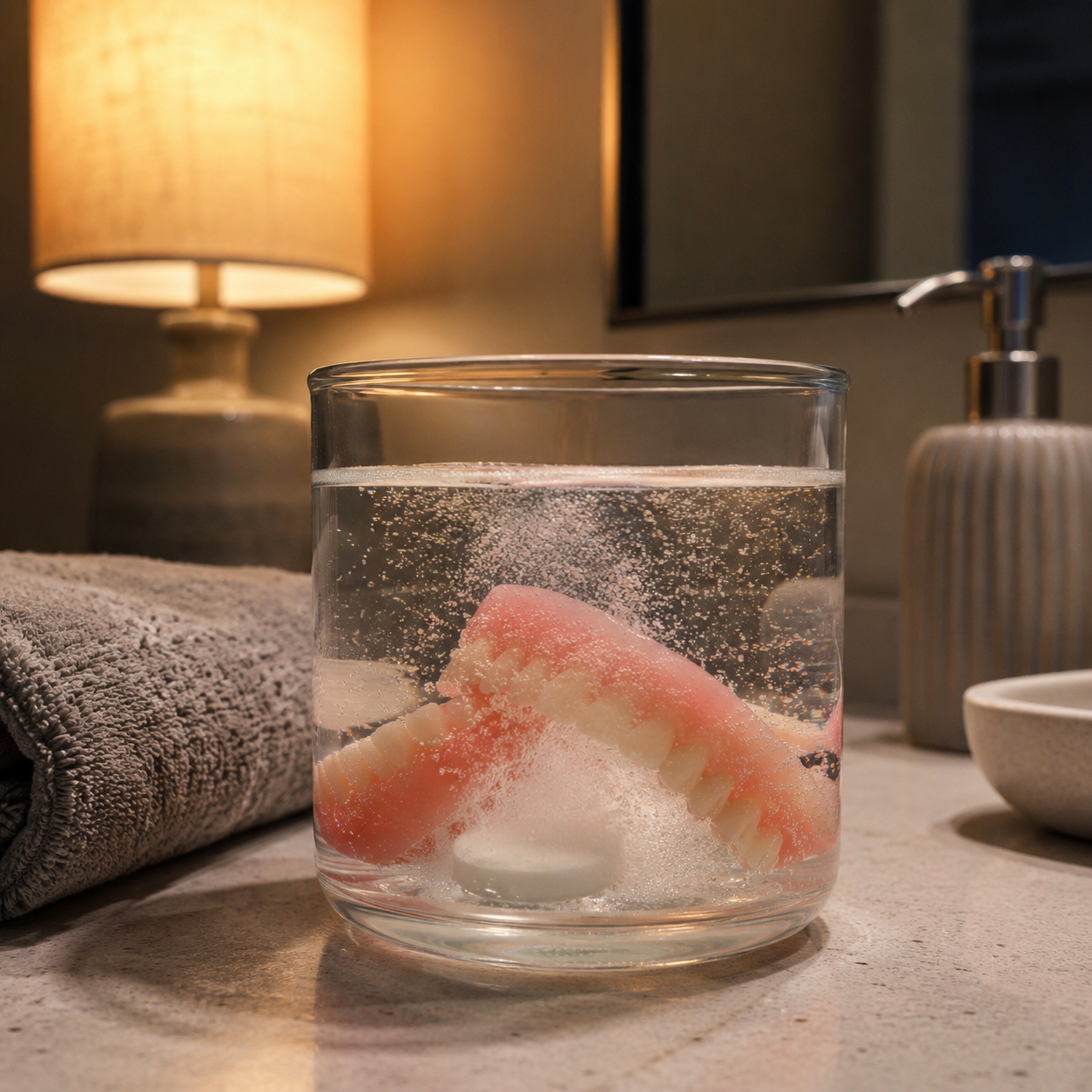
- Soak overnight in water or an approved solution so the material does not dry out or warp
- Rinse thoroughly before placing dentures back in your mouth, since some soaking solutions are harmful if swallowed
- Clean your gums, tongue, and palate each morning to remove bacteria the denture would otherwise pick back up
None of these steps take more than a few minutes, and skipping even one for several days in a row is usually where the trouble starts. People who stick to this list rarely deal with the deep, set-in stains that need professional attention.
Soaking Solutions and Cleaning Products
Not every cleaning product marketed for dentures performs the same way, and the difference shows up in both stain resistance and odor control over time. Enzymatic and mild alkaline peroxide solutions break down protein buildup without scratching the acrylic surface, while abrasive pastes and whitening products marketed for natural teeth often do the opposite. Whitening agents in particular can react with denture material in ways that cause permanent discoloration rather than preventing it, since the peroxide concentration meant for enamel is too aggressive for acrylic and porcelain surfaces.
Choosing an Effective Soak
Tablet and liquid soaks that specifically list denture use on the label tend to outperform homemade mixtures, largely because commercial formulas are balanced to loosen biofilm without degrading the material. Vinegar and baking soda solutions can help occasionally, but relying on them daily tends to leave surfaces slightly rougher over months, which then attracts more staining, not less.
Rinse Before Reinsertion
Soaking solutions are strong enough to lift biofilm, which means they are also strong enough to irritate soft tissue if not rinsed away completely. A ten-second rinse under running water before reinsertion removes any residue and prevents the mild burning sensation some wearers report when they skip this step.
Common Culprits Behind Stubborn Discoloration
Certain habits accelerate staining far faster than others, and recognizing them early can save a denture from permanent discoloration that no amount of brushing will reverse.
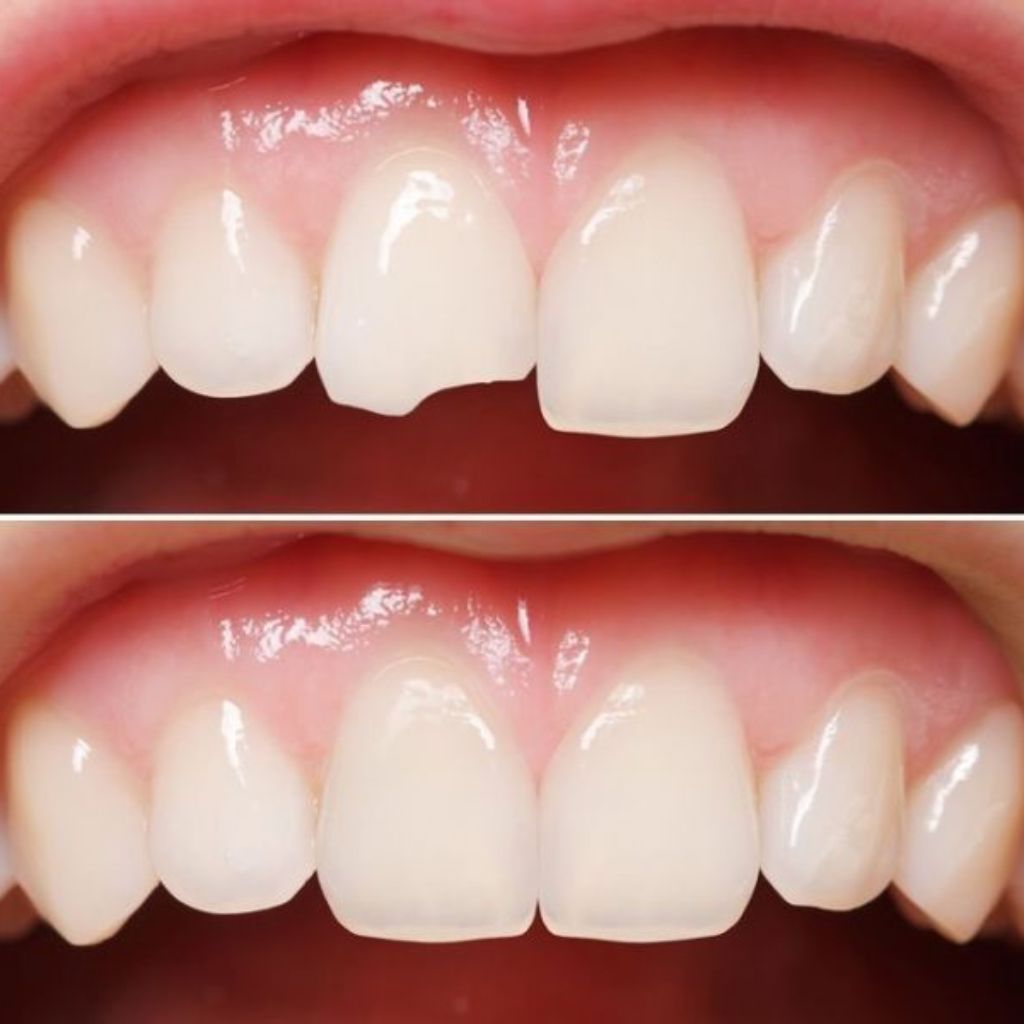
- Coffee, tea, and red wine consumed without a same-day cleaning
- Tobacco use, which leaves both surface stains and a distinct odor
- Hard water mineral deposits that build into a gray or brown film
- Dry mouth conditions that reduce natural rinsing from saliva
- Skipping soaks for more than two or three nights in a row
Most of these factors are manageable once identified. The goal is not to eliminate coffee or red sauce from your life, but to close the gap between exposure and cleaning so stains never get the chance to set.
Signs It Is Time For Professional Cleaning
Home care handles the majority of stain and odor prevention, but some buildup requires equipment a bathroom sink cannot provide. Tartar that has calcified onto the denture surface, gray discoloration that persists after soaking, or an odor that returns within hours of cleaning are all signals that professional attention will work faster and more safely than continued home scrubbing.
Recognizing Buildup Early
A rough texture along the gum line, visible dark lines in the seams of a partial denture, or a change in fit are early indicators that calcified deposits have started forming. These deposits sit below what a soft brush can reach, which is exactly why they persist despite a consistent routine.
Booking a Professional Visit
According to the American Dental Association's overview of denture care and maintenance, dentures should be cleaned daily to remove food particles and bacteria and to help prevent them from becoming permanently stained, which is exactly what a professional cleaning restores once home care alone can no longer keep up. Most clinics recommend a professional cleaning once or twice a year alongside your regular home routine, timed similarly to a dental cleaning schedule for natural teeth.
Preventing denture stains and odors comes down to consistency rather than any single miracle product. A daily rinse, a nightly soak, the right cleaning solution, and an annual professional visit cover nearly every cause discussed above. At New Smile Dentures, patients across Caldwell and Boise get that same guidance built into every fitting, along with free future adjustments so a denture that fits well today keeps fitting well for years. If your current routine is not keeping stains and odors under control, a quick consultation can usually pinpoint exactly what to change.
Frequently Asked Questions (FAQs)
1. Can toothpaste be used to clean dentures?
Regular toothpaste is too abrasive for denture material and should be swapped for a nonabrasive denture cleanser instead.
2. How often should dentures be cleaned to prevent odor?
Dentures should be cleaned at least once daily, ideally after meals and again before the overnight soak.
3. Why do dentures smell bad even after cleaning?
Leftover biofilm in seams and rough spots continues producing odor-causing compounds until it is fully removed with a proper soak.
4. Are whitening products safe for denture stains?
No, whitening products made for natural teeth can permanently discolor denture material rather than fixing stains.
5. When should a professional cleaning replace home care?
A professional cleaning is worth booking once calcified buildup, persistent gray tone, or lasting odor shows up despite consistent home denture cleaning tips.