


Can Teeth Be Added to Existing Dentures?
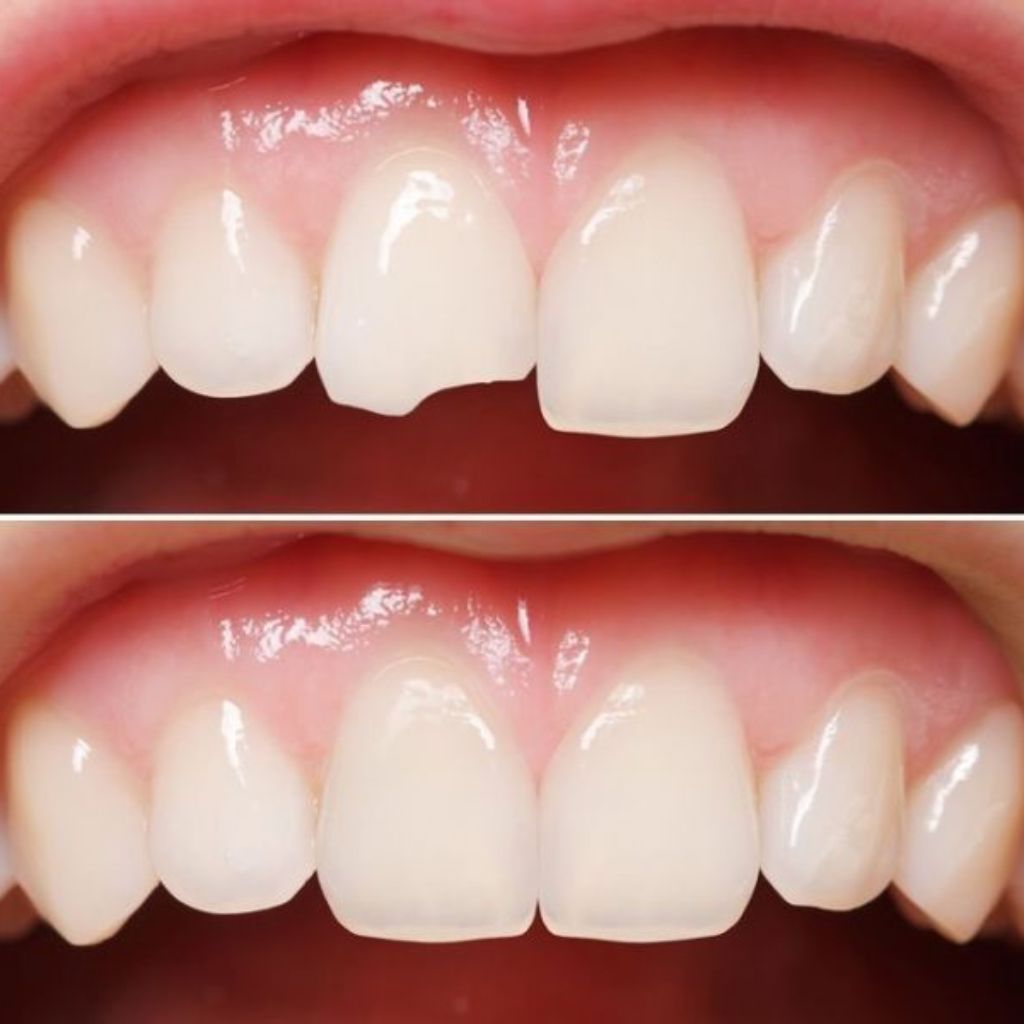
Waking up to a fresh gap in your smile is a total gut punch when you already rely on a dental plate to feel whole. You stare at that new space in the mirror and feel a sinking sense of dread that your expensive investment is now a total loss. This change does more than just ruin your look; it makes every bite of food a chore and every conversation a source of deep anxiety. You might worry that a massive bill for a full replacement is the only way to escape this mess. Luckily, your current dental hardware is actually more flexible than you think. Most people do not realize that a professional lab can often fuse a new tooth directly onto your existing base to bridge the gap. This smart fix restores your look and your bite without the high cost of starting over. Since every mouth is different, the way we handle these additions depends on a few key factors at the lab.
When Addition is Structurally Possible
Adding a prosthetic tooth to your current setup is not just a dream; it is a standard laboratory procedure for many patients. The secret lies in the pink acrylic base that holds your dental set together. This material is chemically designed to bond with new layers of the same substance, allowing a technician to create a stable pocket for a new tooth. If you have recently lost a natural tooth due to a sudden break or a necessary pull, your existing plate can usually act as the perfect foundation for this update. As long as the main frame of your denture is still in good health and fits your gums comfortably, there is a very high chance we can simply modify it. This avoids the long wait times associated with molding a brand-new piece from scratch and keeps your daily routine from falling apart.
Criteria for a Successful Modification
The physical state of your dental appliance plays a massive role in whether a new tooth will stick for the long haul. If your current base is brittle or has multiple thin cracks, adding more weight might cause the whole structure to snap under the pressure of a heavy meal. We have to look at the age of the material and how much room is left on the ridge of the plate.
A quick extraction is the most frequent reason people seek this service out. When a dentist removes a natural tooth, it creates a void that can make your partial feel wobbly or unbalanced. By filling that space with a new addition, we keep your remaining natural teeth from shifting out of place, which protects your overall bite and jaw health.
Budget often dictates how people handle dental emergencies, and this lab fix is a total game-changer for financial planning. Since we are not rebuilding the entire arch, the cost stays significantly lower than a full replacement. You are paying for the lab time and the specific materials used to bridge that one gap, making it a very logical choice for folks on a fixed income.
Necessary Conditions for Adding Teeth
According to the National Institutes of Health, professional modifications should only be performed when the structural integrity of the acrylic can support a cold-cure or heat-cure bond without compromising the original fit. This standard ensures that your repair isn't just a temporary patch but a lasting part of your appliance.
- The acrylic base must be thick enough to support a new socket without weakening the surrounding area.
- The overall fit of the denture must still be snug against your gums to ensure the new tooth aligns with your bite.
- Your remaining natural teeth should be healthy enough to act as anchors if your appliance requires metal clasps.
- The laboratory must have a matching tooth shade in stock to ensure the new addition looks identical to your old ones.
- There must be sufficient space between your upper and lower jaws to physically fit the new prosthetic tooth.
The Technical Steps Inside the Lab
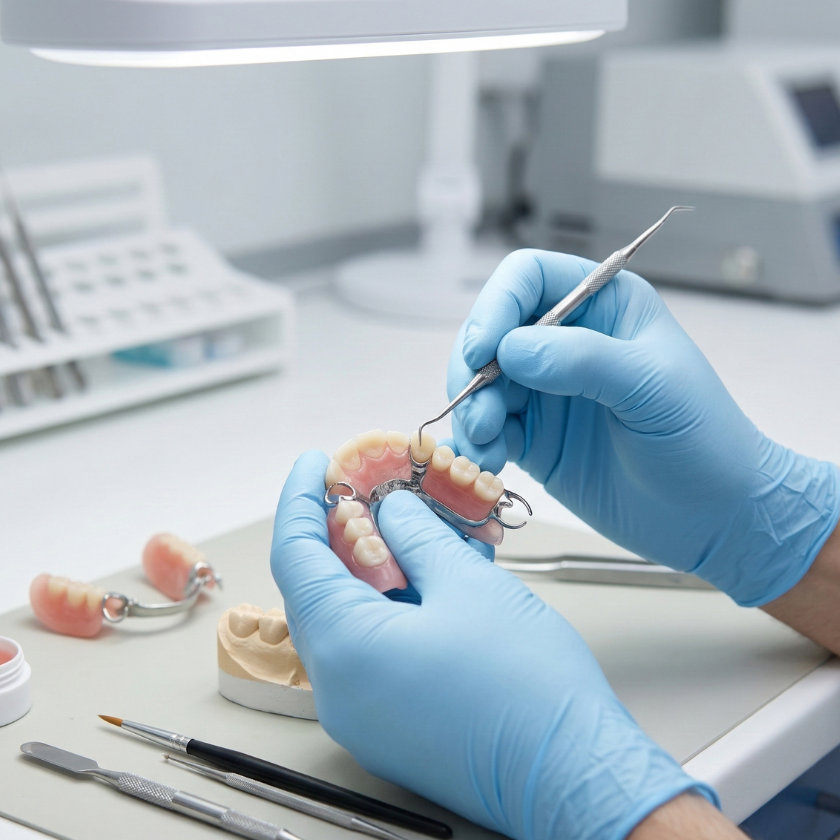
Taking a Precise Impression
The first step involves capturing exactly how your mouth looks now that a tooth is gone. We take a mold while you are wearing your current denture so the lab can see the relationship between the hardware and the new gap. This ensures the new tooth sits exactly where it needs to be for a natural look.
Selecting the Right Match
Our specialists sift through hundreds of tooth shapes and colors to find the perfect twin for your existing set. We look at the wear patterns on your current teeth to make sure the new one does not look too bright or too sharp compared to the rest of your smile.
The Chemical Bonding Phase
This is where the real work happens. We grind a small notch into the old acrylic and use a liquid resin to fuse the new tooth into place. This creates a permanent bond that can withstand the force of chewing. Once it sets, we polish the entire piece so the seam is completely invisible to the naked eye.
Limits to Denture Modifications
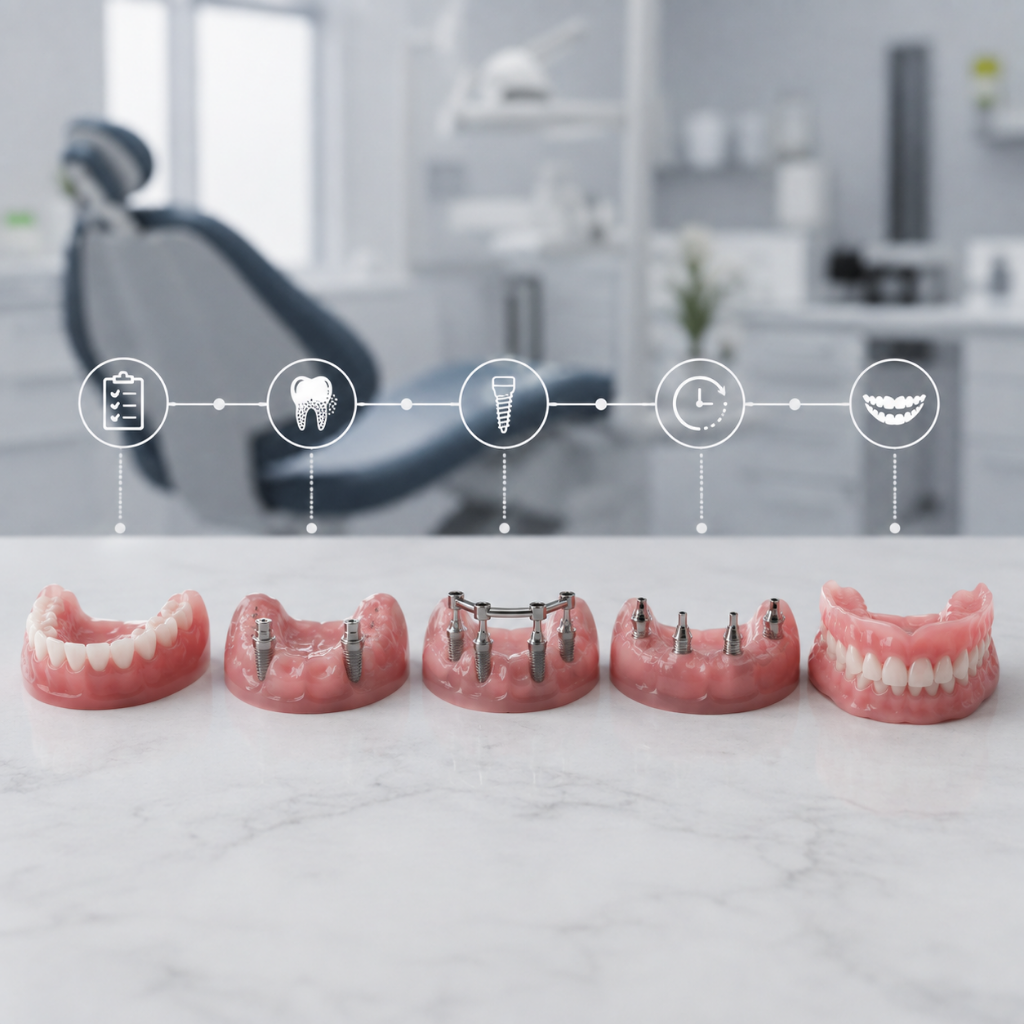
There are specific moments when adding a tooth simply is not a safe or smart option for your health. If your denture is made of a flexible nylon material instead of standard hard acrylic, the bonding agents won't hold, and a new tooth will eventually pop right out. Likewise, if your denture is over ten years old, the plastic has likely become too porous and weak to handle a new modification without shattering. In these cases, we have to be honest and tell you that a repair would be a waste of your money. For those concerned about long-term success, reviewing implant-supported options can be a better alternative if the original base is failing.
Finalizing the New Smile Look
Once the tooth is securely attached, the final stage is all about the finish and the feel. We don't just hand it back to you; we perform a series of tests to make sure that the new addition isn't hitting your other teeth too hard. If it sits even a fraction of a millimeter too high, it could cause sore spots on your gums or even lead to headaches from an uneven bite.
- We use a special marking paper to check exactly where your teeth touch when you close your mouth.
- Our technicians buff the repair site until it is glass-smooth to prevent any irritation to your tongue or cheeks.
- A final inspection ensures the color match is spot-on under both indoor lighting and natural Idaho sunshine.
This detailed finishing process is what separates a professional lab repair from a cheap patch job. We want you to leave the clinic feeling like your denture is whole again, with no evidence that a repair ever took place. It is all about giving you back the function you lost so you can get back to living your life without a second thought about your teeth.
Conclusion
Losing a natural tooth shouldn’t feel like the end of your favorite dental appliance. It is simply a new chapter in your journey toward a functional and healthy life. Seeing your smile as a growing, adaptable part of your identity allows you to approach dental changes with calm rather than panic. You now know that the answer to can teeth be added to existing dentures is a resounding yes in most cases. By choosing a smart modification over a costly replacement, you protect your finances while staying true to the look you already love. For those experiencing gum sensitivity during this change, understanding oral disease symptoms is a vital part of the recovery process. This minor adjustment is about more than just filling a gap; it is about reclaiming the freedom to eat, laugh, and speak without a single worry holding you back.
That missing space in your mouth is a ticking clock affecting your remaining teeth and your daily joy. Contact New Smile Dentures right now to snag a priority spot in our lab today, because a gap-free life shouldn't have to wait behind a growing backlog of appointments!
Frequently Asked Questions (FAQs)
1. How long does the lab take to add a new tooth?
Most tooth additions at our clinic are completed within twenty-four to forty-eight hours to minimize your time without a smile.
2. Will the added tooth look different from my original ones?
Our technicians use a diverse range of shades and shapes to ensure the new addition matches your existing set perfectly.
3. Is the process of adding teeth to existing dentures painful for the wearer?
The entire modification happens inside our laboratory on the appliance itself, so you won’t experience any physical pain or discomfort.
4. Can you add a tooth to a denture that is already cracked?
We first repair the structural integrity of the base before adding new teeth to ensure the final result is sturdy and safe.
5. Does insurance typically cover the cost of adding a tooth to a plate?
Many providers view this as a necessary repair and offer partial coverage, which helps keep your out-of-pocket costs very low.