
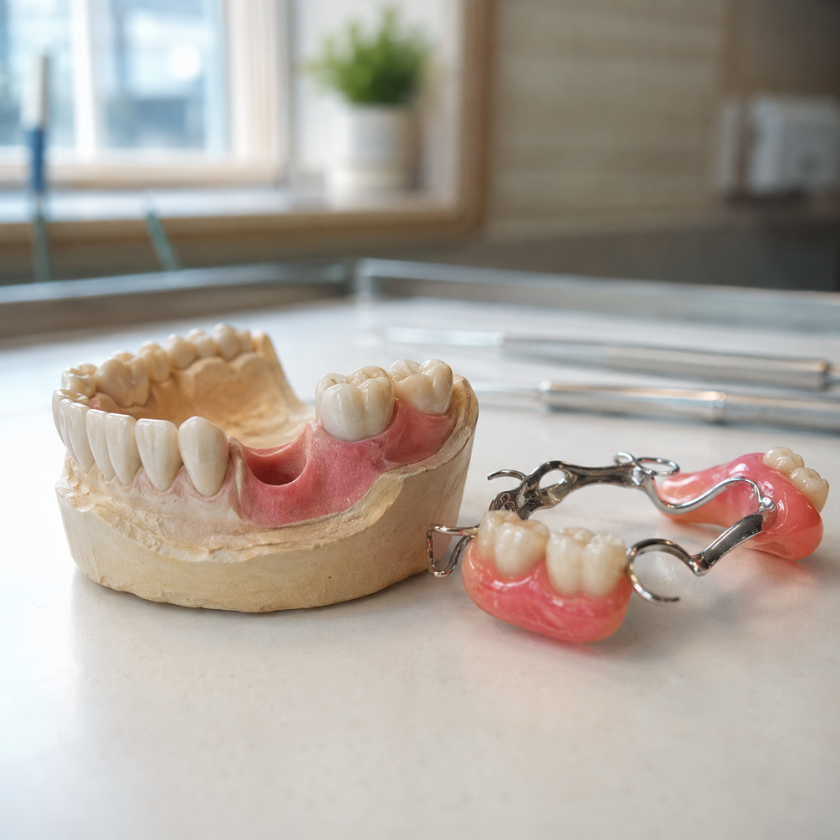


What Not to Do When Cleaning Dentures?
You wake up, pop your dentures in, and go about your day without a second thought about the appliance that restores your ability to eat, speak, and smile with confidence. But when it comes to cleaning those essential prosthetics, most people unknowingly commit errors that cost them hundreds, sometimes thousands, in premature replacements. The problem is simple: denture care guidelines are either too vague or completely ignored. And the agitation? A single wrong move with cleaning can warp, scratch, or permanently ruin your dentures, leaving you with an ill-fitting appliance that causes mouth sores, infections, and embarrassment.
A simple five-minute cleaning routine performed incorrectly can undo years of careful craftsmanship in seconds. Fortunately, avoiding these devastating outcomes is straightforward once you know what not to do. Let us walk through the critical mistakes that separate well-maintained dentures from costly disasters.
The Hot Water Trap That Warps Your Investment
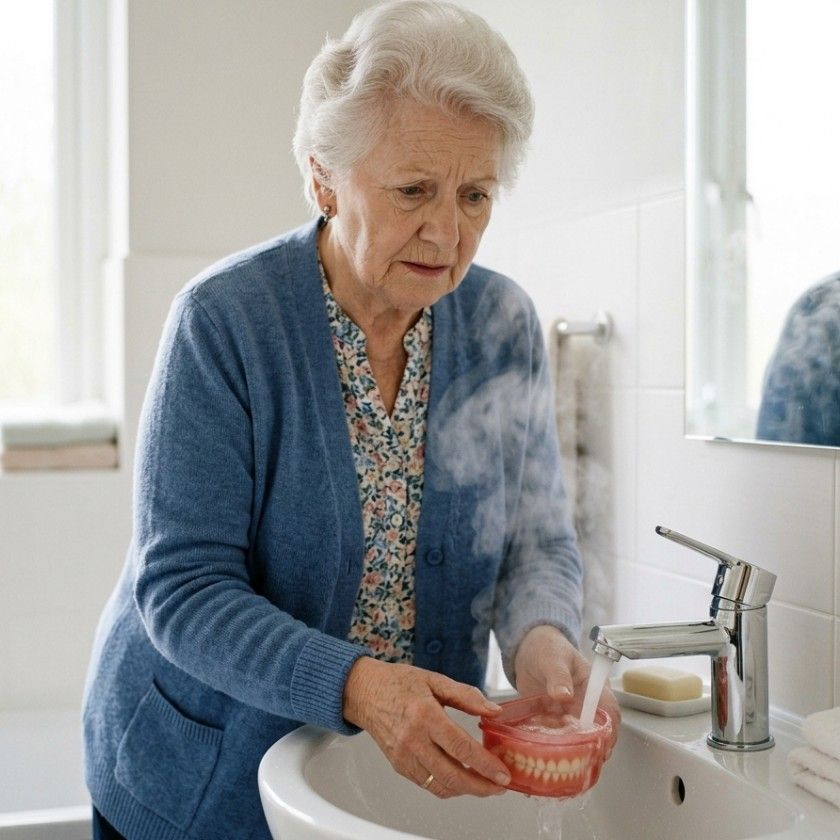
You might think boiling water kills bacteria more effectively, so why not use it on dentures? This logic leads to one of the most expensive cleaning errors a denture wearer can make. Hot water causes the acrylic material in your dentures to expand unevenly, and when it cools, the shape becomes permanently distorted. Once warping occurs, the denture no longer fits the unique contours of your gums, leading to painful pressure points, difficulty chewing, and an unstable appliance that may slip during conversation or meals.
The damage from hot water is often invisible to the naked eye. A denture that has been exposed to excessive heat may develop microdistortions that change how it contacts your gum tissue. Over time, these distortions create uneven pressure that accelerates bone loss in your jaw. Many people do not realize their dentures have warped until they develop persistent sore spots or notice their dentures clicking while they speak. Stick to lukewarm or cool water for both soaking and rinsing. Keep your dentures away from dishwashers, hot car dashboards, boiling pots on the stove, and any other heat source. According to the American Dental Association's guidelines on denture care and maintenance, dentures should never be placed in hot water because the heat permanently damages the plastic material and compromises the fit of the appliance.
Abrasive Cleaners That Scratch and Destroy
Why Your Regular Toothpaste Is a Silent Killer
That whitening toothpaste you love for your natural teeth is actually destroying your dentures. Unlike natural enamel, denture acrylic is relatively soft and porous. Abrasive toothpastes contain silica particles designed to scrub stains from enamel, but on denture material, these particles create microscopic scratches. At first, these scratches are invisible, but over weeks and months, they accumulate and become breeding grounds for bacteria.
The bacterial buildup in scratched denture surfaces leads to persistent bad breath that mouthwash cannot fix. It also causes fungal infections like denture stomatitis, a condition that leaves your gums red, swollen, and covered in small white patches. The cloudy, aged appearance of scratched dentures makes your smile look obviously artificial. You need a soft-bristle brush and either a mild dish soap or a cleaner specifically formulated for dentures. Your dentures will stay clearer, fresher, and more comfortable without the damage caused by abrasive toothpastes.
The Bleach Disaster That Changes Everything
Some people believe soaking dentures in bleach creates the deepest clean possible. This is dangerously wrong. Bleach turns the pink gingival base of your dentures an unnatural white color, making your smile look fake and unattractive. More concerning, bleach weakens the denture structure from the inside out, causing the acrylic to become brittle and prone to cracking under normal chewing pressure.
The chemical reaction between bleach and denture acrylic is irreversible. Once the damage begins, there is no repair option other than complete replacement. The plastic material will not whiten regardless of bleaching attempts, so you are destroying your appliance for zero benefit. Use only manufacturer-approved denture cleansers and follow the instructions precisely. If a product is not labeled specifically for denture use, keep it away from your appliance.
The Overnight Drying Out Mistake
Your dentures require moisture to maintain their shape and structural integrity. When dentures dry out completely, the acrylic material shrinks and becomes brittle. Leaving dentures on a dry nightstand while you sleep is a recipe for disaster. The material will gradually lose its dimensional stability, causing the denture to fit poorly and potentially crack under normal chewing pressure.
Many people mistakenly believe that drying their dentures overnight keeps them cleaner. The opposite is true. Dry dentures develop microscopic cracks that harbor bacteria, and the shrunken material never returns to its original shape even after soaking. Proper hydration preserves the acrylic and prevents the warping that occurs when dry dentures are suddenly exposed to moisture.
Signs your dentures have dried out and sustained damage include:
- A visibly lighter or chalky appearance to the acrylic material
- Cracks that develop spontaneously without any drop or impact
- A clicking sound when you speak or try to chew food
- The denture feels loose in the morning, but tightens after soaking
- Visible white lines forming along the denture base
Fill a container with cool water or a manufacturer-recommended denture solution before bed each night. Your dentures will maintain their precise fit for years longer than those left to dry out on a counter. This simple habit takes ten seconds but saves hundreds of dollars in premature replacements.
DIY Repairs That Compound the Damage
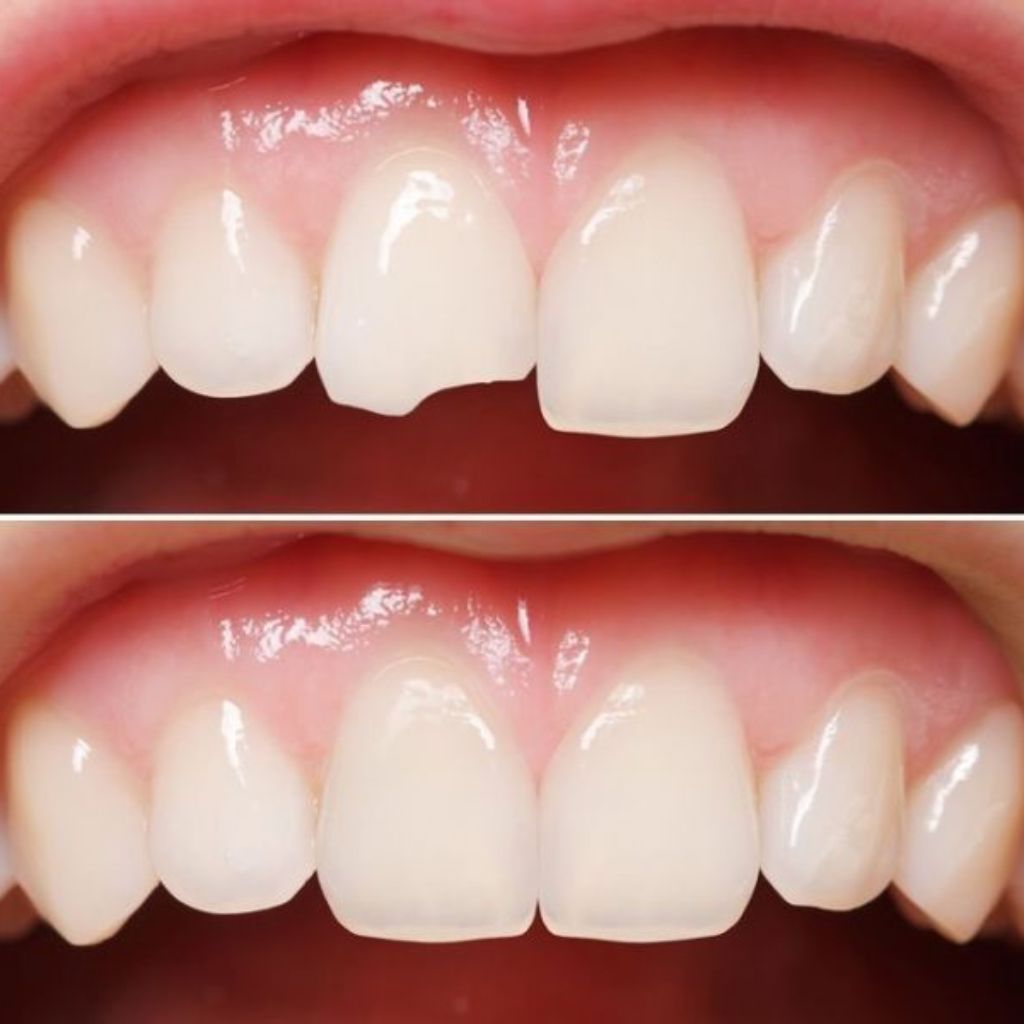
Your denture develops a small crack, and your first instinct is to grab super glue from the hardware store. Stop right there. Over-the-counter repair kits and household glues contain chemicals that are toxic to oral tissues and will likely ruin your denture beyond professional repair. These adhesives can leach chemicals into your saliva every time you put your dentures in your mouth. They rarely create a durable bond that withstands the forces of chewing, so the repair fails within days or weeks.
Even if the glue holds temporarily, the repair creates an uneven surface that traps food particles and bacteria. The trapped debris causes gum irritation and bad breath that worsens over time. According to the Mayo Clinic's recommendations on careful denture handling, household glues contain harsh chemicals that are not suitable for the mouth and should never be used for denture repair. Professional denture repairs involve specialized acrylic resins that bond chemically with your existing denture material. A licensed denturist can often complete repairs within a single day at a reasonable cost. The professional repair restores both function and appearance without the health risks of do-it-yourself methods.
Sleeping in Dentures: A Dangerous Shortcut
You might think wearing your dentures constantly saves time and effort. This convenience comes at a high cost to your oral health. When you sleep with dentures in place, you trap moisture and bacteria against your gum tissue for eight or more hours. This environment promotes the overgrowth of Candida albicans, the fungus responsible for denture stomatitis, a painful inflammatory condition characterized by redness, swelling, and soreness under the denture.
Beyond infection risks, sleeping in dentures accelerates bone resorption, the natural shrinking of the jawbone that occurs when teeth are missing. Your jawbone requires periods of relief from the pressure exerted by denture bases. When you wear dentures 24 hours a day, you never give your bone and soft tissues a chance to recover. The constant pressure signals your body that the bone is no longer needed, speeding up the resorption process. Faster bone loss means your dentures become loose more quickly, requiring relines or replacements sooner than necessary. Giving your gums at least six to eight hours of rest each night while your dentures soak in cleaning solution preserves your jawbone and extends the life of your dentures.
Abrasive Brushing Techniques That Cause Premature Wear
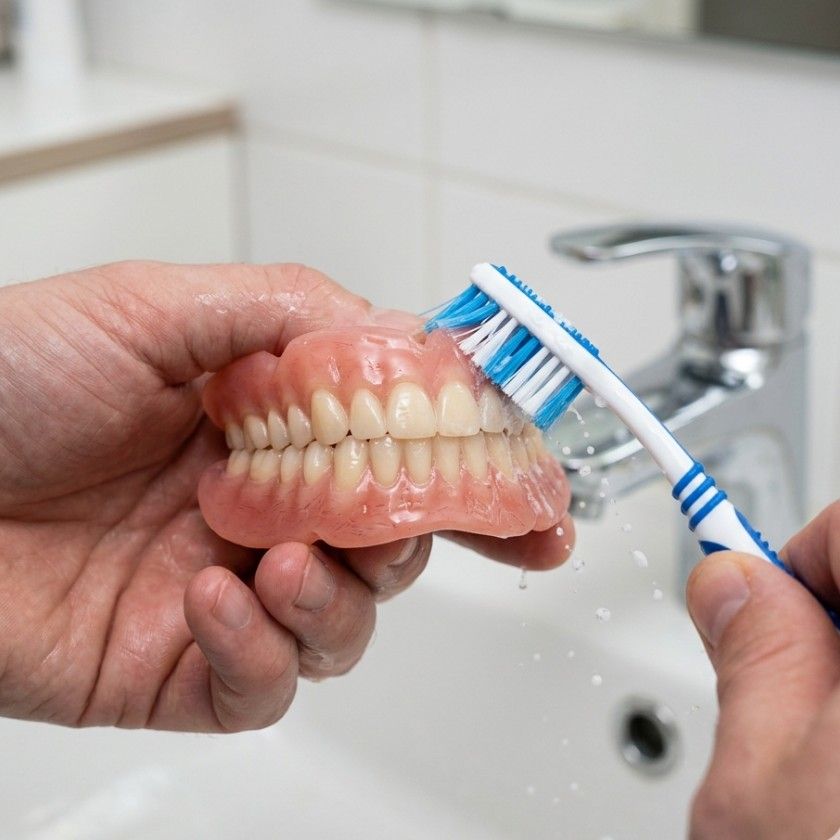
Aggressive scrubbing feels productive, but with dentures, gentle consistency wins every time. Aggressive scrubbing can damage or bend metal clasps on partial dentures and create grooves in the acrylic base. These grooves become impossible to clean effectively and harbor odor-causing bacteria. Using a brush with hard bristles compounds the problem by scratching the denture surface and creating visible wear patterns that age your smile prematurely.
The proper technique involves using a brush specifically designed for dentures with bristle arrangements that reach all contours of the appliance without causing damage. You should apply a small amount of hand soap, mild dishwashing liquid, or denture cleanser to a soft-bristle brush made specifically for dentures. Use gentle circular motions rather than back-and-forth scrubbing. Rinse your dentures thoroughly after brushing to remove any cleanser residue. Always handle your dentures over a folded towel or a sink filled with water to prevent breakage if they slip from your hands. A dropped denture on a hard bathroom floor often cracks or shatters completely.
Ignoring Professional Adjustments
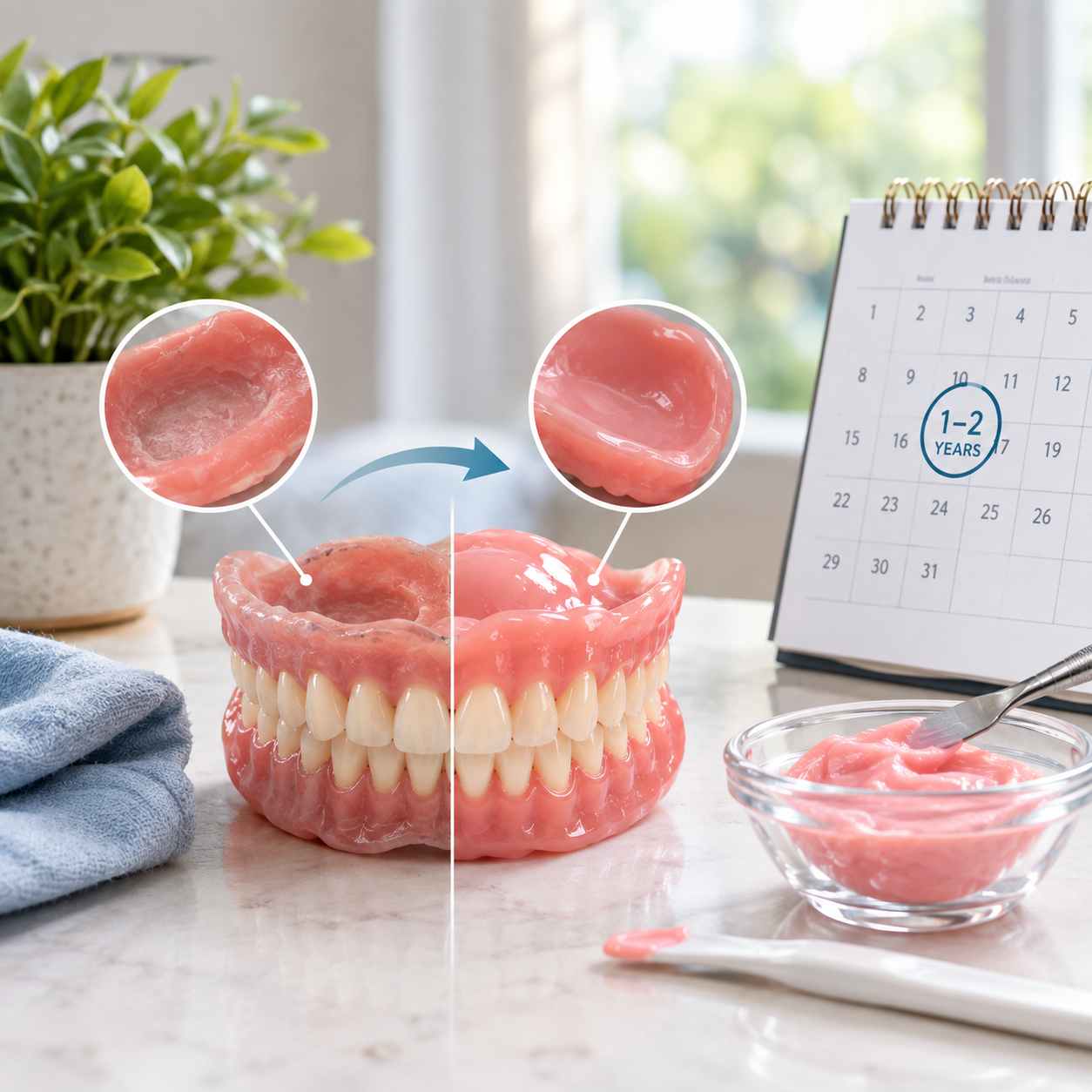
Denture adhesives have become a crutch for many wearers who tolerate poorly fitting dentures rather than seeking professional help. Using more adhesive to compensate for a loose fit masks the underlying problem while allowing damage to progress. Ill-fitting dentures create friction points that lead to ulcerations, and the trapped food particles beneath a poorly seated denture accelerate decay on any remaining natural teeth. A denture that requires adhesive to stay in place during normal conversation or eating has exceeded its functional lifespan. Professional relining adds new acrylic material to the denture base, restoring the precise fit against your current gum contours. This adjustment eliminates the need for excessive adhesive use and restores proper function without the expense of complete replacement.
Protect Your Smile With Professional Guidance From New Smile Dentures
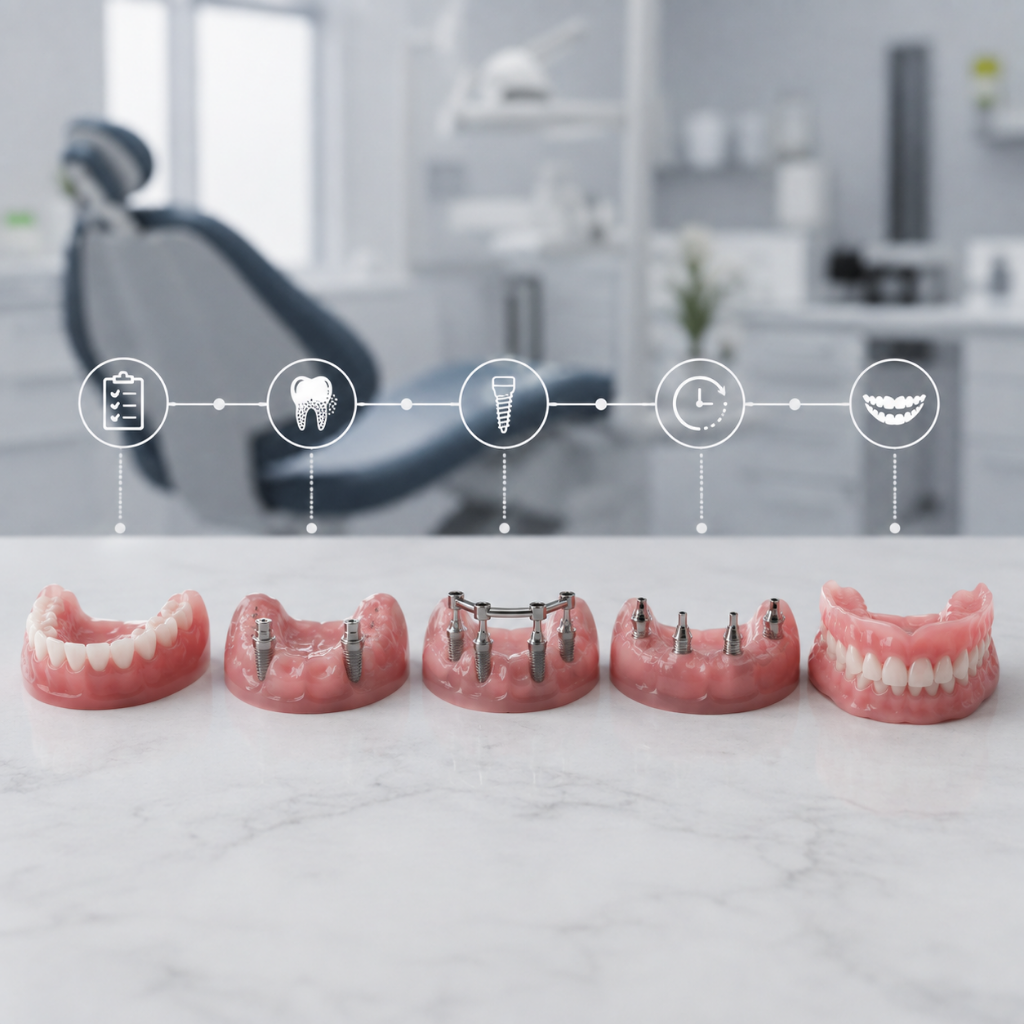
Protecting your dentures from these common cleaning mistakes ensures your investment lasts for years while keeping your smile natural and comfortable. The difference between dentures that fail prematurely and those that serve you faithfully comes down to daily habits and professional oversight. At New Smile Dentures, we understand that navigating denture care can feel overwhelming. That is why our Boise and Caldwell clinics offer complimentary consultations where we demonstrate proper cleaning techniques, assess your current denture fit, and identify potential issues before they become costly problems. Whether you wear traditional full dentures, partial dentures, or implant-supported dentures, our team of licensed denturists provides the expert guidance you need to avoid destructive cleaning mistakes.
Schedule your free consultation today and take the first step toward preserving your smile with confidence.
Frequently Asked Questions (FAQs)
1. Can I use regular toothpaste to clean my dentures?
No, regular toothpaste is too abrasive and will scratch the acrylic material of your dentures.
2. How often should I replace my denture cleaning brush?
You should replace your denture brush every three months or when the bristles become frayed.
3. Is it safe to use vinegar to soak my dentures overnight?
No, vinegar is too acidic and can damage denture materials over time.
4. What should I do if my denture falls and cracks in half?
Take both pieces to a licensed denturist immediately and avoid any home repair.
5. Will soaking my dentures in mouthwash keep them fresher longer?
No, most mouthwashes contain alcohol that can dry out and warp denture acrylic.