

What Happens If You Lose a Tooth With Dentures?
You notice it while eating. Something shifts. The bite feels off, like your dentures aren’t sitting the way they used to. Then it clicks, a tooth that once supported your denture is gone. This isn’t just a small change. It affects how everything works together inside your mouth.
Most denture wearers assume that once their appliance is fitted, things stay stable. But losing a natural tooth underneath or alongside dentures changes the entire foundation. The fit, the pressure points, even the way your jaw moves can start to feel unfamiliar.
Ignore it, and the discomfort builds. Meals become frustrating, speech may feel slightly off, and sore spots can develop where there were none before.
The real question is not whether this situation is serious, but how quickly you respond to it and what options are actually worth considering.
Structural Shift Inside the Mouth
Dentures are not standalone devices. They depend on the surrounding teeth, gums, and jawbone to maintain position. When one natural tooth is lost, especially in the case of partial dentures, the balance changes immediately.
That missing tooth often served as a stabilizer. Without it, the denture may tilt slightly or lose its grip. Even a minor shift creates uneven pressure across the gums. Over time, this imbalance can lead to irritation, inflammation, and gradual loosening of the appliance.
The change is not always dramatic at first. It often begins subtly, a slight wobble, a small gap, or a difference in how your bite closes. But these small signs signal a deeper structural adjustment happening beneath the surface.
Tissue Healing and Bone Response
Healing Begins Beneath the Surface
After a tooth is lost, the body moves quickly into repair mode. The gum tissue closes over the area, but beneath that, the bone begins to adapt to the absence of the tooth root.
Bone Volume Gradually Reduces
According to the Cleveland Clinic's overview of dentures and why they require adjustments as your mouth changes over time, dentures often need periodic adjustments because the shape of your gums and supporting structures can shift after tooth loss.
Denture Fit No Longer Matches the Anatomy
As the bone changes shape, the denture base that once fit snugly may no longer align with the contours of your gums. This mismatch is one of the most common reasons dentures begin to feel loose after tooth loss.
This is not a flaw in the denture itself. It is a natural biological response that requires adjustment.
Bite Imbalance and Daily Function
When a tooth disappears, your bite does not simply “fill in the gap.” Instead, the forces shift to other areas.
- One side of the mouth may take on more pressure
- Chewing efficiency drops, especially with tougher foods
- Jaw muscles may feel strained after meals
- Food trapping becomes more frequent
These changes affect more than comfort. They influence digestion, speech clarity, and overall oral function. Patients often report avoiding certain foods without realizing why.
Over time, this imbalance can also accelerate wear on the denture itself, shortening its usable lifespan.

Clinical Repair and Tooth Addition Options
Replacing the missing tooth within your denture is often more straightforward than patients expect. The key is acting before the denture undergoes significant distortion.
Direct Tooth Addition to Existing Dentures
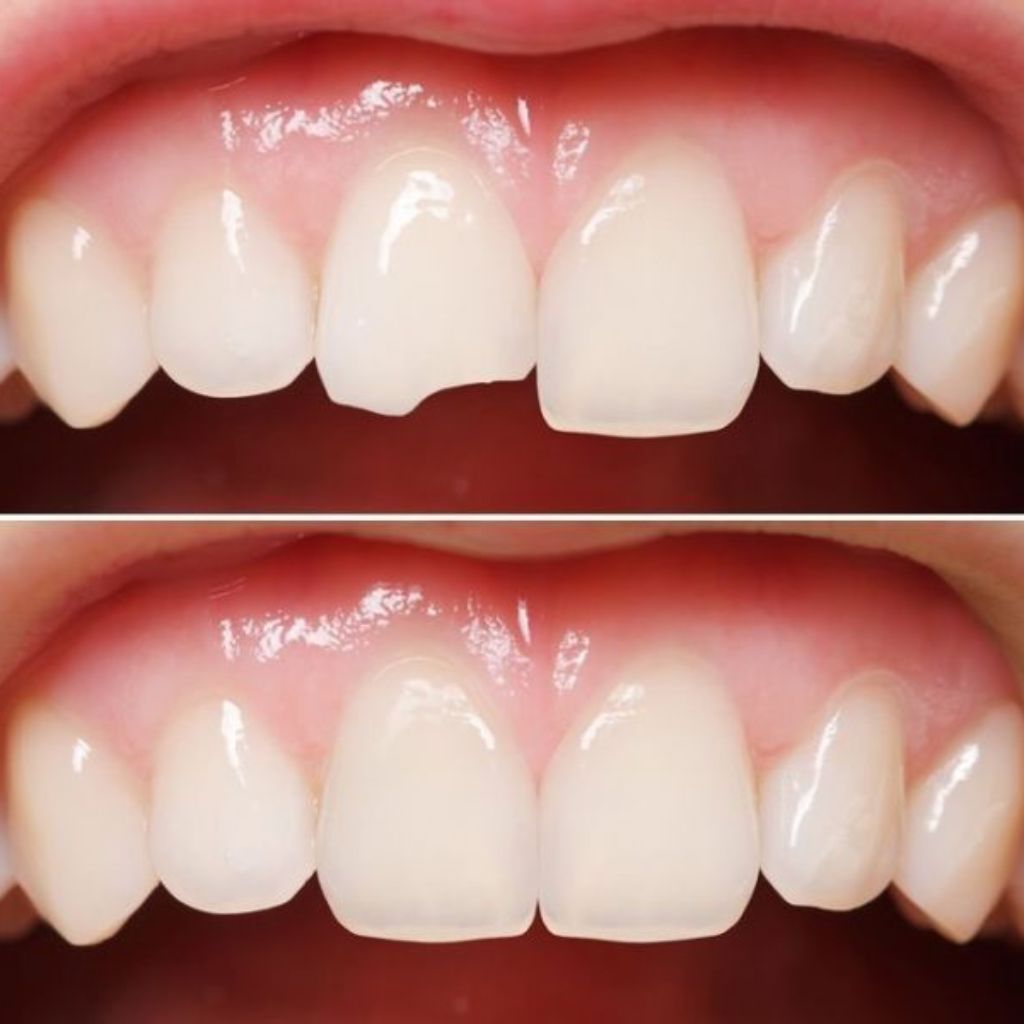
In many cases, a denturist can add a new artificial tooth directly into the current denture base. This process restores both appearance and function without requiring a full remake.
Denture Relining For Updated Fit
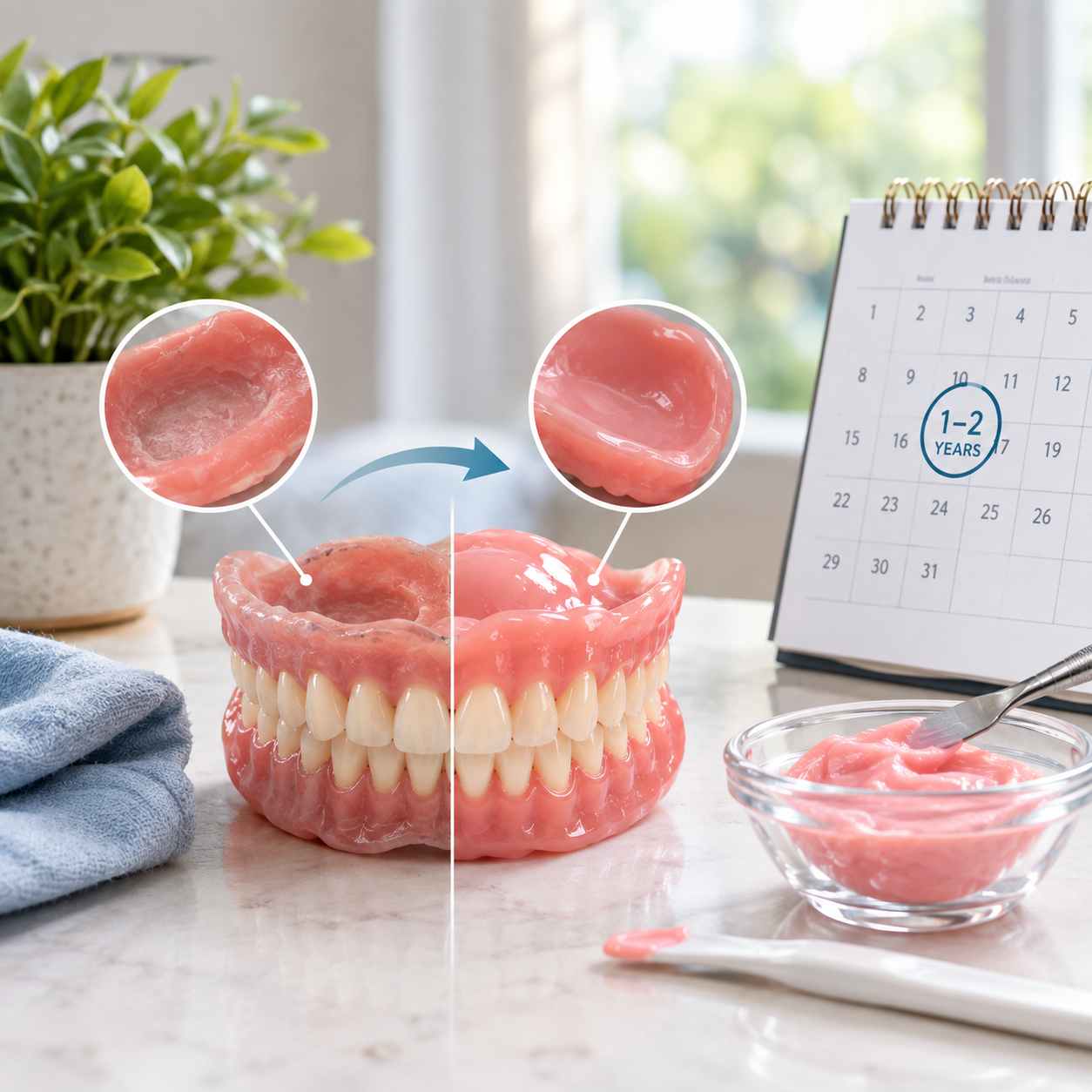
Relining reshapes the underside of the denture so it matches your current gum structure. This becomes especially important when bone changes have already begun.
According to the American Dental Association resource on denture care and maintenance, relining helps maintain proper fit as the mouth naturally changes over time.
Together, these solutions address both the visible gap and the underlying fit issues, creating a more stable result.
Advanced Restoration Through Implant Support
For patients experiencing repeated tooth loss or ongoing instability, traditional repairs may not be enough. This is where implant-supported solutions come into consideration.
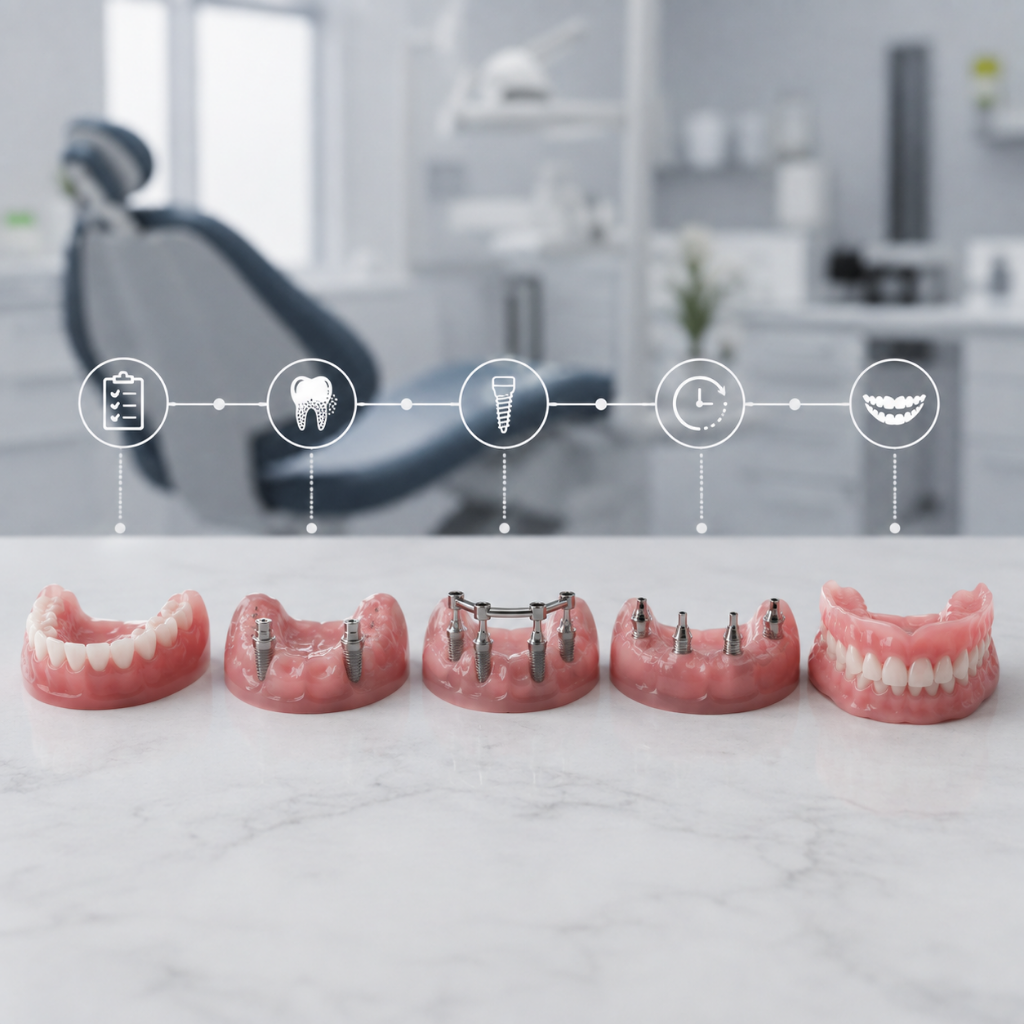
Dental implants are placed within the jawbone, acting as fixed anchors. Instead of relying solely on gum support, the denture attaches to these anchors, creating a more secure hold.
This option is often explored when:
- Multiple natural teeth have been lost over time
- Dentures frequently shift despite adjustments
- Gum irritation persists due to movement
- Long-term stability becomes a priority
Implants also help maintain bone structure by providing the stimulation that natural teeth once offered. This can slow down the changes that affect denture fit.
While this approach involves a more detailed process, it offers a level of stability that traditional dentures alone may not provide.
Warning Signs That Should Not Be Ignored
The mouth rarely changes without sending signals. Recognizing these early can prevent more complex issues later.
- A denture that feels slightly loose or unstable
- Sore spots that appear after wearing dentures
- Clicking sounds while speaking or eating
- A noticeable shift in how your bite closes
- Increased difficulty chewing foods you previously managed
These signs indicate that your dentures no longer align with your current oral structure. Addressing them early often leads to simpler, quicker solutions.
Waiting too long can turn a minor adjustment into a full replacement.
Conclusion
Losing a tooth while wearing dentures is not just a cosmetic issue. It affects the foundation your dentures rely on, changing the way they fit, function, and feel each day. The longer it goes unaddressed, the more noticeable and uncomfortable those changes become.
The good news is that modern solutions make Adding Teeth & Repairs far more manageable than most people expect. From simple tooth additions to relining or exploring implant support, there are clear paths forward depending on your situation.
At New Smile Dentures, the focus stays on practical solutions that restore comfort without unnecessary delays. If your dentures have started to feel different after tooth loss, taking action early can save time, discomfort, and additional procedures down the line.
Frequently Asked Questions (FAQs)
1. Can dentures be fixed after losing a tooth?
Yes, Adding Teeth & Repairs allows a new tooth to be added without replacing the full denture.
2. Will my dentures feel loose after tooth loss?
Yes, losing support can affect fit and stability.
3. Is relining always required after losing a tooth?
Not always, but it is common when the gum shape has changed.
4. Are dental implants better than denture repairs?
They can be, especially for long-term stability.
5. How soon should I fix dentures after losing a tooth?
As soon as possible to avoid further fit issues and discomfort.