

.png)


The Step-by-Step Process of Getting Full Dentures
You've made the decision. The teeth are coming out. Full dentures are the plan. And then silence. A folder of paperwork, a follow-up appointment card, and zero explanation of what actually happens next.
That gap between deciding and receiving is where most people start to spiral. They Google too much. They hear horror stories. They show up to appointments not knowing what's being done to them or why. And that anxiety? It makes the whole process feel harder than it needs to be.
Getting full dentures is not complicated, but it does follow a specific sequence, and every step matters. Miss one, rush one, or skip the follow-through, and you'll feel it every time you eat, speak, or smile. This guide walks you through the entire process, start to finish, so you walk in prepared and walk out with something that actually fits.
The Consultation Is Where Everything Gets Decided
Most people treat the first appointment like a formality. It's not. This is the appointment where the entire direction of your treatment gets set, and the decisions made here follow you all the way to your final fitting.
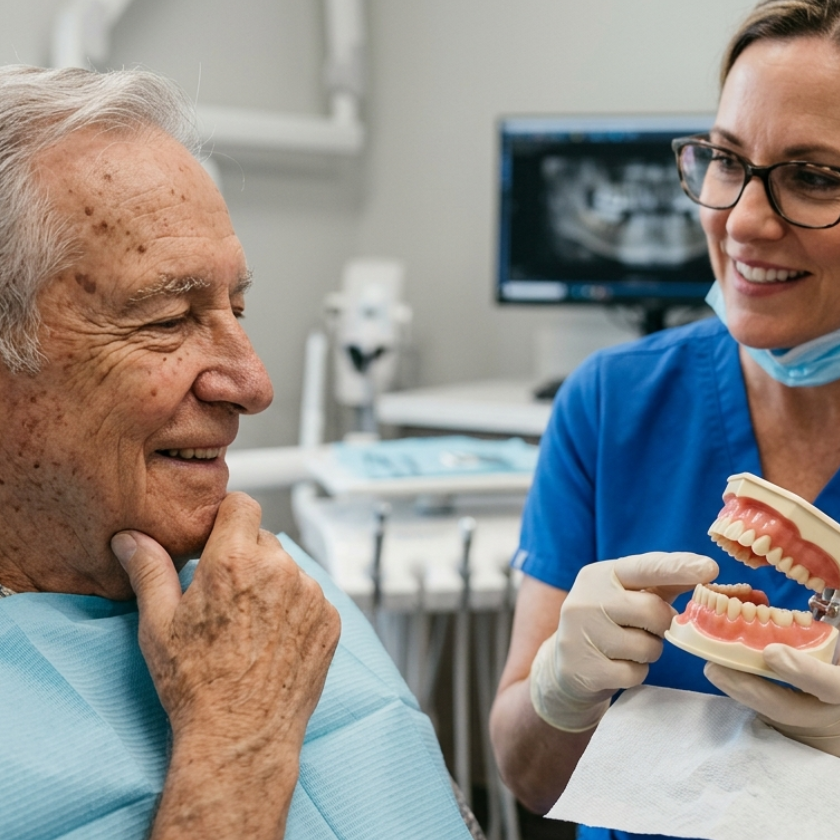
Your denturist will go through your dental history, examine your gum tissue and bone structure, and talk through what your mouth actually looks like right now, not what it looked like five years ago. From there, you'll discuss tooth shape, size, and shade. You'll go over the different material tiers available and what each one means in terms of comfort, appearance, and how long the dentures will realistically last.
This is also where pricing and payment options get laid out clearly. A good denturist doesn't wait until the end to talk about money; they build the financial picture into the conversation from the start, so you're never blindsided later.
What to Bring to Your First Appointment
Come with questions written down. Bring any existing dental records if you have them. Be ready to talk about your daily habits, what you eat, whether you grind your teeth, and how active you are. The more your denturist knows about your life, the better they can match your dentures to it.
Some Teeth Need to Come Out Before the Work Begins
If you still have remaining natural teeth, your denturist will assess whether any of them need to be extracted before full dentures can be placed. This step catches people off guard, especially when those teeth feel fine. But even a tooth that isn't causing pain can interfere with how the denture sits, seals, and functions long-term.
According to NIDCR's data on total tooth loss among seniors aged 65 and older, 17.3% of seniors in that age group have no remaining teeth, with rates significantly higher among current smokers and lower-income adults. The pattern behind most of those cases is the same: dental disease that went untreated for too long, not a single event.
The Healing Period Is Not Downtime, It's Part of the Process
After extractions, the gums and underlying bone go through a reshaping phase. This takes weeks, sometimes months. The jawbone actively changes its structure as it heals, which means any denture made too early will fit poorly within months of delivery. Your denturist will monitor your healing and tell you exactly when the timing is right to move forward.
Patients who want to avoid going toothless during this window can opt for immediate dentures, temporary appliances placed the same day as extraction. These are not permanent. They're a placeholder. Once the bone settles into its final shape, a proper set of full dentures gets made to fit that healed structure correctly.
The Impressions Appointment Determines
How Your Dentures Will Feel Every Day
This is the most technical step of the process and the one where the quality of your provider makes the biggest difference.
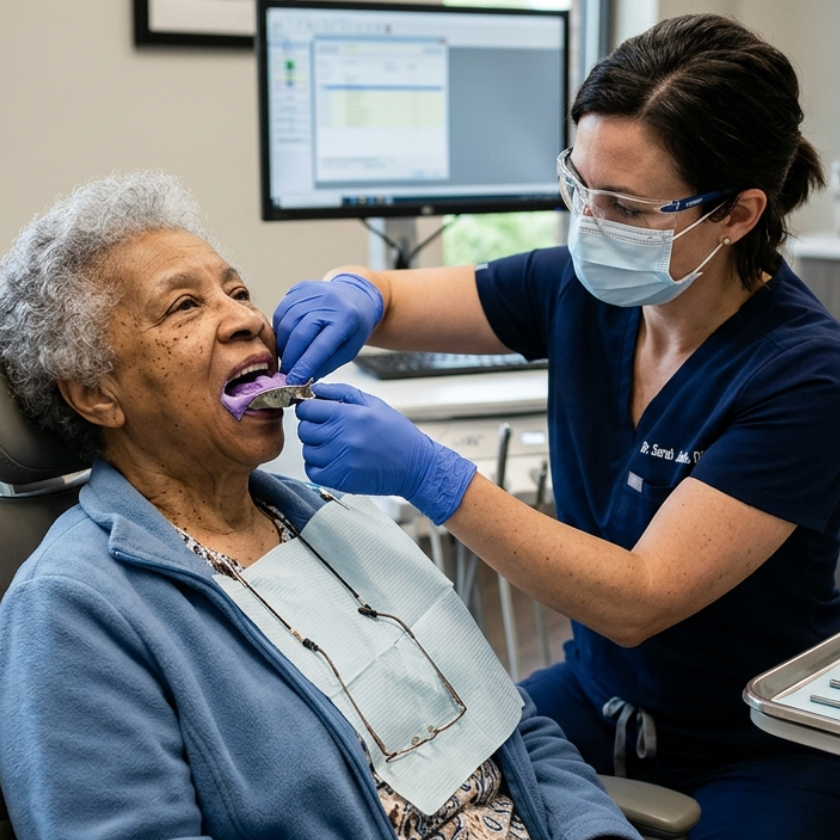
A master impression captures the full architecture of your upper and lower jaw: bone contour, soft tissue shape, ridge height, and the unique way your mouth is built. This isn't a quick mold. Done properly, it takes time and precision, materials that hold their shape without distortion.
What goes wrong at this step shows up later as a denture that feels almost right but never quite settles, pressure points that come and go, a bite that feels slightly off, no matter how many adjustments are made. Those problems don't start at the fitting. They start here.
Alongside the impressions, your denturist takes a bite registration, a measurement of how your upper and lower jaw relate to each other when your mouth is naturally closed. This number is what your dentures get built around. Get it wrong, and the bite mechanics are wrong. Get it right, and chewing feels natural from the first week.
The Wax Try-In Is Your Last Chance to Change Anything
Before your dentures are finished in their final material, a wax model is placed in your mouth. Everything looks real: the teeth, the gumline, the fit. But the base is still wax, which means changes are still easy.
This appointment exists for one reason: so you don't end up with something you wish looked different.
Use this visit to:
- Check how the tooth size reads against your face in a mirror
- Confirm the shade matches what you discussed in the consultation
- Test how the bite feels on both sides when you chew
- Speak out loud and listen for any sounds that feel off
- Ask for anything to be adjusted before it gets locked in permanently
Patients who rush through the try-in or who feel awkward asking for changes almost always regret it. This is the appointment where your input directly shapes the outcome. Speak up. Your denturist expects it.
Delivery Day Is a Beginning, Not an Ending
The day you receive your finished full dentures feels like the finish line. It's actually the start of a new phase.
Your gums will need time to adjust to having something sitting against them all day. There will be pressure points. Certain words may come out differently. Softer foods will feel easier for the first few weeks. All of this is normal, and all of it gets better.
As Mayo Clinic's guidance on careful denture handling states, all dentures need periodic adjustment by a dental professional to maintain a comfortable fit, and any attempt to fix problems at home almost always causes more damage than it solves.
A denture provider worth their reputation includes unlimited adjustments with no extra charge. Every pressure point that surfaces, every small fit issue that shows up during daily wear, those get fixed at no cost as part of the service. If a clinic charges per adjustment visit, walk away.
Full Denture Care: Small Habits, Big Difference
Full dentures are durable but only if you treat them right. The lifespan difference between a patient who cares for their dentures properly and one who doesn't can span several years.
Here's the daily routine that protects your investment:
- Rinse them after every meal; food particles trapped against the base cause odor and irritation
- Brush once daily with a soft-bristled brush and a non-abrasive cleaner, such as standard toothpaste, which scratches the surface
- Soak overnight in a denture solution. This removes bacteria and stops the acrylic from drying out and warping
- Keep them away from hot water, even briefly; heat changes the shape of the base
- Come in for regular checkups, your jaw continues to change over time, and the fit needs to be monitored
Starter acrylic dentures typically hold up for around five years. Premium heat-injected acrylic with a porcelain outer layer can last fifteen years or more. The difference isn't just material; it's also maintenance.
Closing Thoughts
The process of getting full dentures has a beginning, a middle, and an end, and every stage between consultation and long-term care plays a role in the result you live with. Skipping steps, settling for vague answers, or choosing a provider based on price alone leads to dentures that never feel right.
At New Smile Dentures, every patient moves through this process with a team that has been doing this work for over 60 years across three generations. The in-house lab means nothing gets outsourced and nothing gets rushed. Unlimited adjustments are part of the package, not a line item on your bill.
If you're ready to go through the process of getting full dentures with people who treat it like it matters, book your free consultation at the Caldwell location and start with a conversation, not a commitment.
Frequently Asked Questions (FAQs)
1. How long does the full process of getting full dentures take?
From first consultation to final delivery, most patients complete the process in six weeks to four months, depending on whether extractions and healing time are involved.
2. Are full dentures covered by Medicaid in Idaho?
Coverage varies by eligibility and plan, so the fastest answer comes from contacting your local Medicaid office or asking directly at your New Smile Dentures consultation.
3. Will full dentures feel natural right away?
There's an adjustment window of a few weeks of speech and chewing, both of which shift slightly, but most patients settle in fully with consistent daily wear and proper follow-up care.
4. What happens when full dentures stop fitting correctly over time?
A denture reline reshapes the base to match your changed jaw structure, restoring the fit without replacing the entire appliance.
5. Can I eat the same foods I ate before with full dentures?
Most foods come back into the picture once you've adjusted, though very hard or sticky foods are worth avoiding long-term to protect the denture material.