
.png)
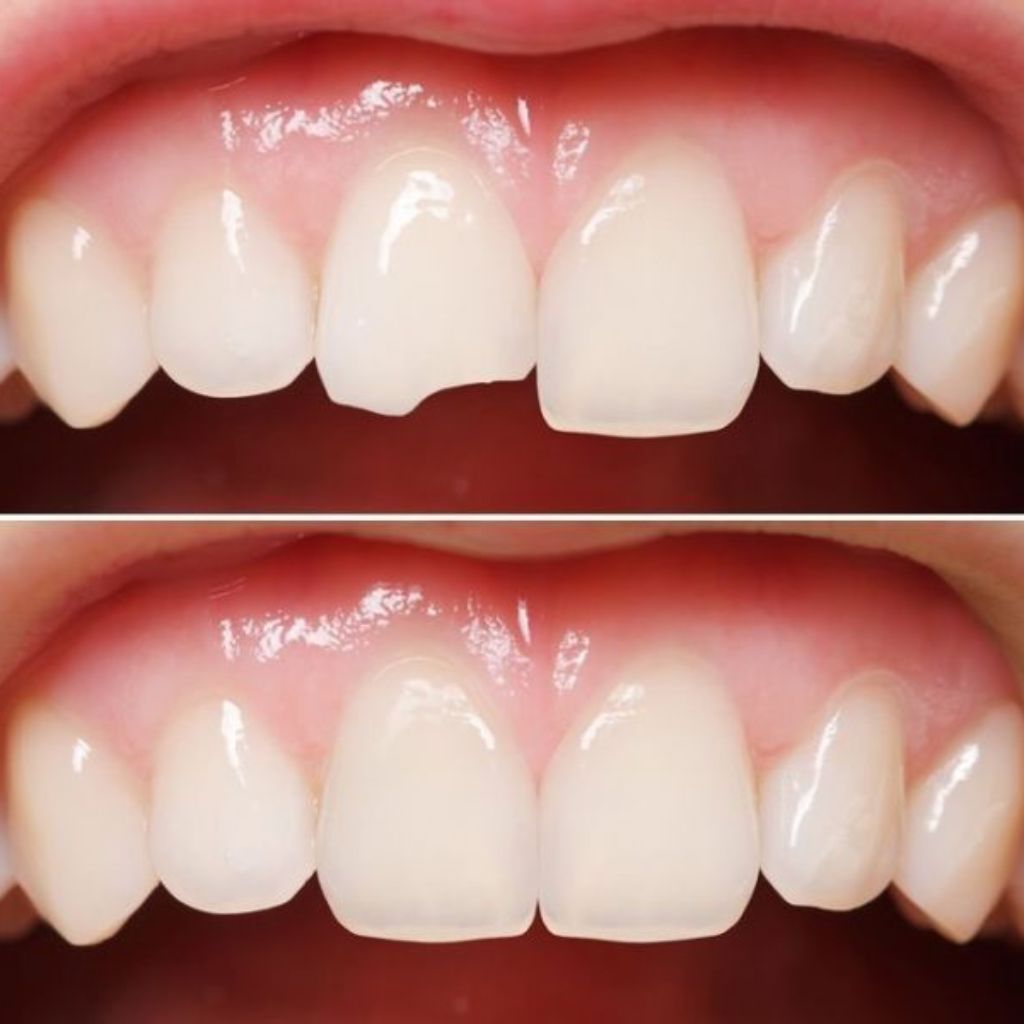


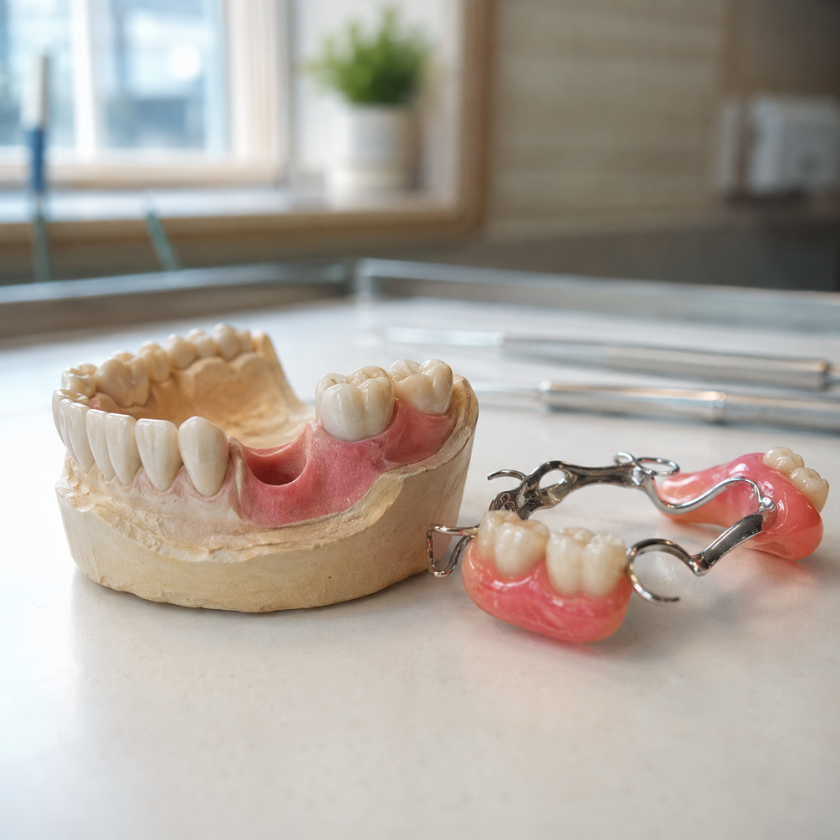
Most people think of a partial denture as something that fills a gap. That's true, but it undersells the job. The quieter, more important thing a partial does is stop something from happening to the teeth you still have teeth that, left alone, don't actually stay put.
What Happens When a Gap Is Left Unaddressed
Teeth hold their position partly because of the teeth around them. Each one is braced by its neighbors on either side and by the tooth it meets when you bite down. Remove one tooth from that arrangement, and the forces keeping the others exactly where they are change immediately, even if nothing about how you eat or speak feels different at first.
Over time, the teeth next to the gap tend to tilt inward, leaning toward the open space instead of standing straight. Dentists sometimes call this mesial drift. Meanwhile, the tooth on the opposite arch, the one that used to meet the missing tooth every time you bit down, no longer has anything to stop it, and can gradually shift further into the gap than it should, a related process sometimes called over-eruption. Neither happens because anything is wrong with those teeth individually. It happens because the balance that kept them in place depended on a tooth that's no longer there.
According to the Cleveland Clinic's overview of tooth loss causes and complications, leaving a missing tooth unreplaced can allow nearby teeth to shift out of position, contributing to a misaligned bite, jaw discomfort, and a higher risk of losing additional teeth.
Why This Isn't Just a Cosmetic Problem
A shifted tooth changes more than the way a smile looks. As teeth tilt, they meet each other at different angles than they were designed for, which concentrates chewing pressure on smaller, less durable points instead of spreading it evenly. That uneven wear adds up. Tilted teeth are also harder to clean properly, since a leaning tooth creates tighter, less accessible gaps where plaque tends to collect along the gumline.
There's a compounding effect, too. The longer teeth are allowed to drift, the further they move from the positions your bite was originally built around, and the harder it becomes to design a well-fitting replacement later. A partial built for a mouth that hasn't shifted is a more straightforward, more stable fit than one built around teeth that have already been tilting for a year or two.
How a Partial Denture Interrupts This Process
Filling the Space Itself
The most direct thing a partial denture does is occupy the space physically. With the gap filled, neighboring teeth no longer have anywhere to lean into. They stay braced against something solid instead of an open socket.
Holding the Bite in Position
The clasps and rests that anchor a partial to your remaining teeth do more than keep the appliance from falling out. They engage those teeth in a way that resists lateral movement, so the teeth on either side of the gap are held rather than left to drift on their own. On the opposing arch, the artificial tooth gives that opposite tooth something solid to meet again, which discourages it from continuing to shift toward the space it used to bite into.
According to Healthline's overview of partial dentures, partial dentures are more than cosmetic devices they also help preserve the position of the remaining natural teeth, which might otherwise shift over time.
Signs Your Bite May Already Be Shifting
A few things worth mentioning at your next checkup rather than waiting to see if they resolve on their own:
- A tooth near an old gap looks or feels slightly tilted compared to how you remember it
- New spaces have opened up between teeth that used to sit flush against each other
- Your bite feels different, or one side seems to be doing more of the work
- An existing partial has started feeling tighter or looser in one specific spot rather than overall
Catching this early is what keeps a simple fix simple.
What Happens If You Wait
None of this shifting happens overnight, which is exactly why it's easy to put off. But the process doesn't pause while you decide. Every few months a gap goes unaddressed, the surrounding teeth settle a little further from their original position, and what would have been a straightforward partial becomes a slightly more involved one, sometimes requiring additional adjustment or orthodontic-style correction before a prosthetic can be fitted properly.
Keeping It Working Long-Term
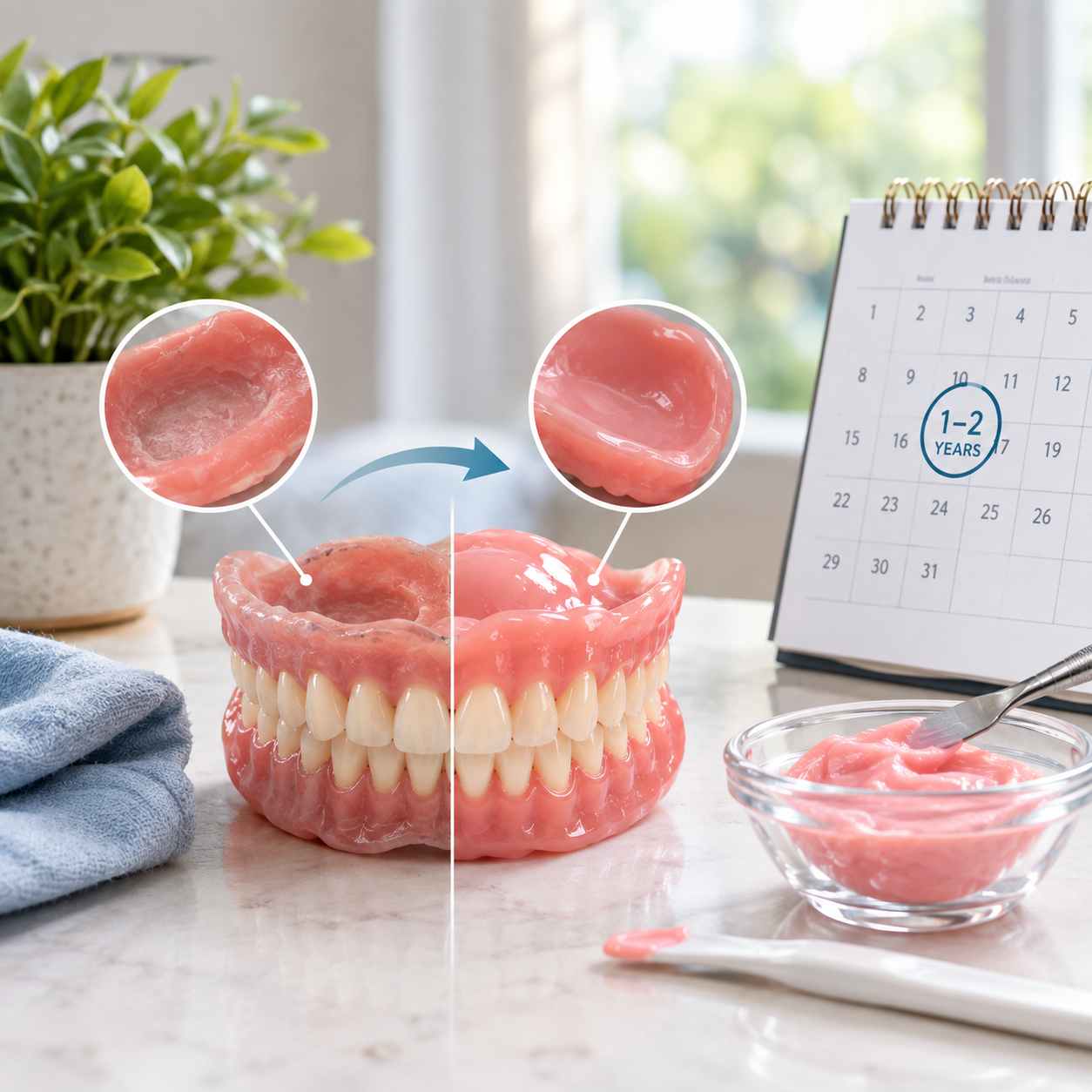
A partial only keeps doing this job if it continues to fit the way it was designed to. Gums and bone change gradually even after a partial is placed, which is part of why periodic checkups and the occasional reline or repair matter more than people expect. A partial that's loose or worn down stops holding the bite the way it should, which reopens the door to the same drifting it was placed to prevent.
The Bottom Line
A partial denture's job doesn't end at filling a visible gap. It's actively holding the rest of your bite in place, every day, in a way that's easy to overlook until you understand what's happening underneath it. If you've been putting off replacing a missing tooth, that decision is doing more than leaving a gap; it's letting your bite quietly reshape itself. Talk to a denturist before that reshaping gets any further along.