


What Is a Denture Reline and Why Is It Important?
The irritation of a sliding denture is enough to make any person want to stay home and avoid their friends and family. When your prosthetic no longer hugs your gum line, it creates a vacuum that pulls and pinches with even the smallest movement. This friction does more than hurt, as it can lead to permanent changes in your mouth shape if you do not address it quickly. You should not have to compromise on your quality of life just because your jaw has changed over the years. Exploring what a denture reline is and why it is important shows you a path to a much tighter and more reliable fit. It is a smart way to keep your mouth feeling fresh while avoiding the high cost of total replacement. Here are the specific details on the process.
The Technical Meaning of a Denture Reline
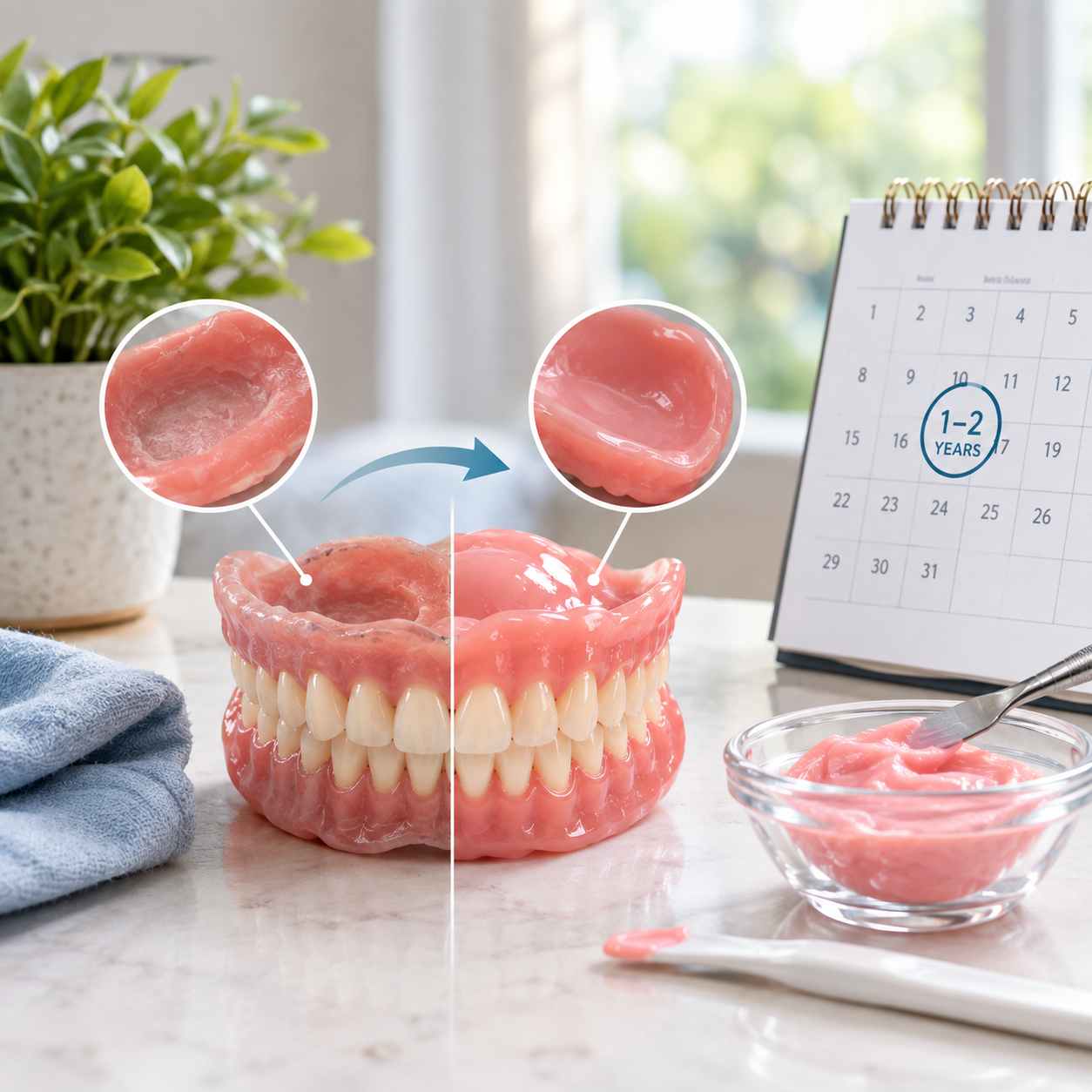
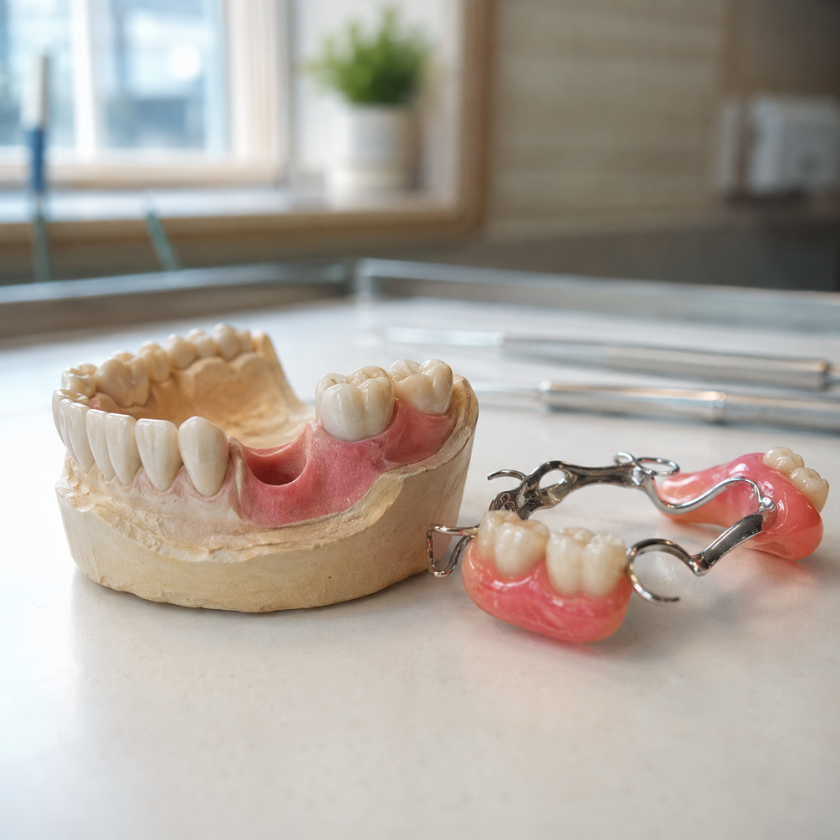
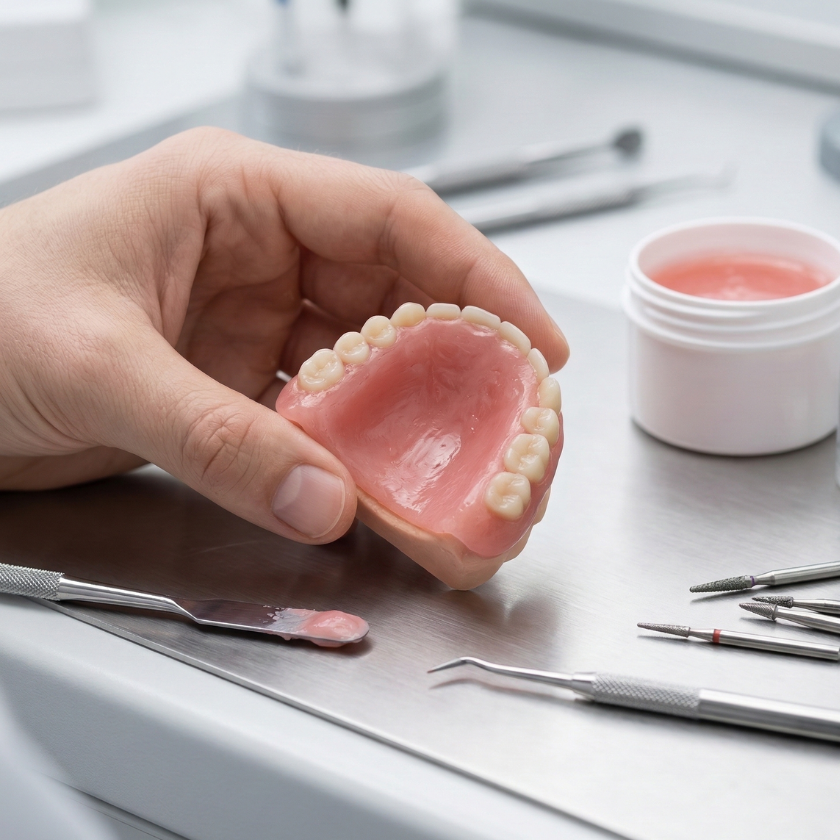
A denture reline is a vital laboratory procedure where a fresh layer of medical grade resin is added to the tissue side of your existing prosthetic. Over time, your jawbone naturally recedes and changes shape, but the hard plastic of your dentures stays the same. This creates a physical gap between your mouth and the appliance, which leads to a loose and unstable fit. By resurfacing the base with new material, a dental expert fills in these empty spaces so the plate matches the current ridges of your gums perfectly. It is not about making a new set of teeth from scratch; it is a specialized update to the foundation of your current smile to restore its original grip and suction.
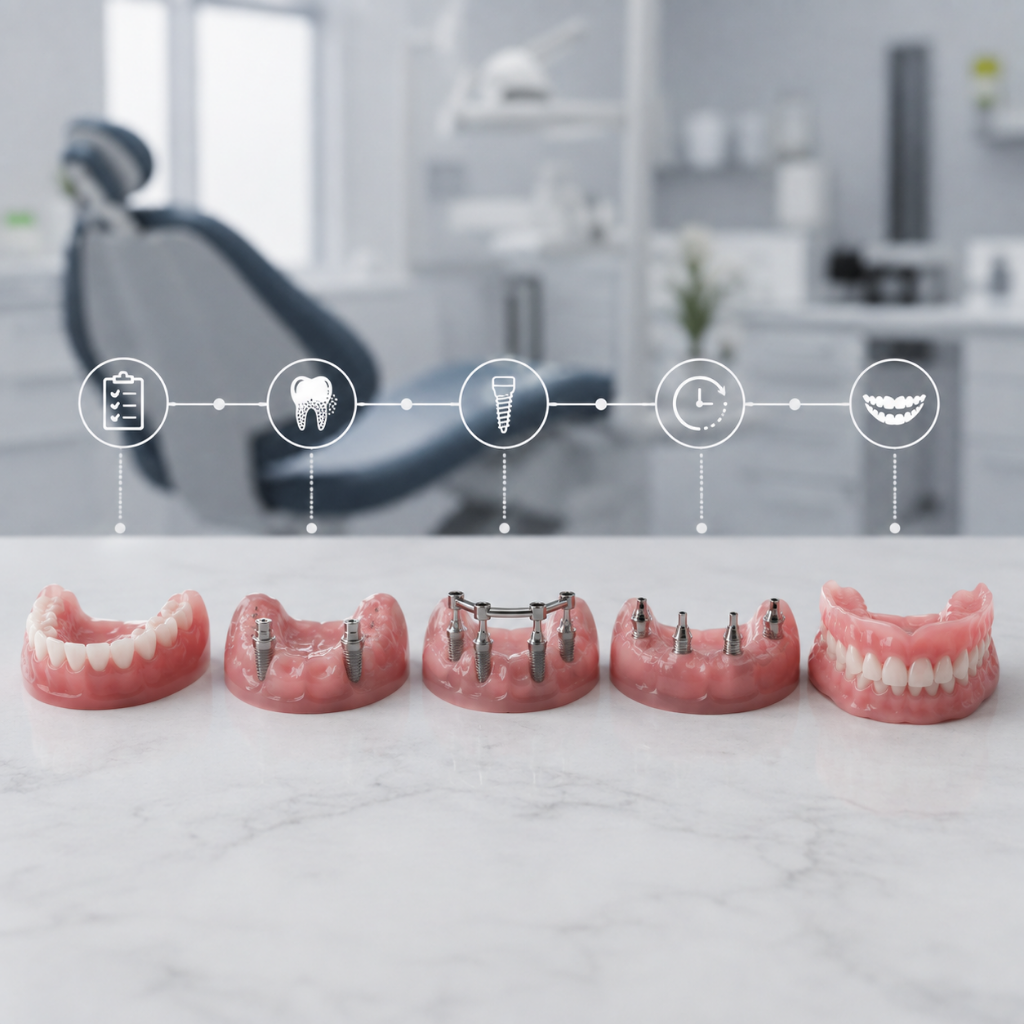
Five Key Steps Followed During the Process
The journey to a better fit begins with a close look at your current oral health and the state of your prosthetic. Our team ensures that every stage of the process is handled with care to give you the most comfortable outcome possible.
- Oral Health Assessment: First, a dental expert examines your gums for any sores or inflammation caused by the loose fit to ensure your mouth is healthy enough for a new base.
- Capturing the Impression: Second, a master impression is taken using the inside of your current denture as a tray, which captures the exact current shape of your jaw and ridge.
- Lab Preparation: Third, this impression is sent to our in-house lab, where the old, worn plastic is carefully stripped away to make room for the fresh material.
- Bonding and Curing: Fourth, fresh acrylic or silicone is bonded to the base and cured using heat or pressure to ensure a rock-solid, air-free connection.
- Final Polishing and Fit: Finally, the unit is polished to a high shine and placed back in your mouth, where any minor spots are sanded down to ensure total comfort.
Why Your Mouth Health Requires This Update
Maintaining a tight seal between your gums and your dentures is vital for preventing chronic infections and physical injury. When a prosthetic is loose, it moves every time you swallow or speak, acting like an abrasive surface against your delicate mouth tissues. This friction creates painful open sores that can become infected if left alone. A reline is important because it stops this movement, allowing your gums to stay healthy and firm. By ensuring the pressure from your bite is spread out across your entire jaw, you avoid the painful bruising that comes from a "teeter-totter" effect during meals.
Preventing Tissue Overgrowth
When a denture fits poorly for a long time, the body tries to protect itself by growing extra folds of skin around the loose edges. This condition can make wearing any teeth impossible and often requires a surgeon to fix it. By keeping your base updated, you prevent this irritation before it starts.
Reducing the Risk of Oral Thrush
Gaps between your gums and the plastic are perfect hiding spots for yeast and bacteria. According to research on oral diseases, a snug fit removes these pockets, making it much easier to keep your mouth clean and your breath fresh.
Understanding the Biological Shift in Your Jaw
Your jawbone is a living part of your body that needs the stimulation of tooth roots to stay thick and strong. Once those roots are gone, the bone starts to dissolve and flatten in a natural process called resorption. This is the primary reason why a reline is mandatory every few years; your mouth is literally moving away from your teeth. Details on managing the jaw after a tooth extraction and bone changes can help patients understand this transition.
How Bone Loss Changes Your Face?
Maintaining Facial Structure
If you do not fill that growing space with new material, the lack of support can cause your face to look sunken and your lips to appear thin. Keeping the fit tight provides the structural support your facial muscles need to maintain your natural appearance.
Slowing Down the Resorption Process
A loose denture that bounces around actually puts uneven stress on the bone, which can make it disappear even faster. A reline ensures the weight of your bite is even, which helps keep your jawbone healthier for a longer period of time. Details on managing pain after extraction and bone changes can help patients understand this transition.
Functional Gains of a Resurfaced Denture Base
When your dentures are updated, you regain the leverage needed to break down food properly, which is the first step in healthy digestion. You can sit down for a meal with friends without the constant fear of an embarrassing slip or the clicking sound of loose plastic. This boost in function makes a massive difference in your daily quality of life and your overall physical wellness.
- Restored Biting Power: A snug fit allows you to chew tough or crunchy foods without your teeth popping loose or causing sharp pain.
- Clearer Speech Patterns: Closing the gaps stops the whistling or slurring sounds that happen when air escapes during conversation.
- Mess Free Living: You no longer have to rely on thick, bad-tasting adhesives or creams to keep your smile in place throughout the day.
Protecting the Lifespan of Your Prosthetic
Choosing to have your dentures professionally resurfaced is a smart way to protect your financial investment. When a denture does not fit correctly, it is under constant stress and is much more likely to snap or crack when you bite down on something hard. A reline ensures the base is supported by your gums at every point, which prevents the unit from flexing and breaking under pressure.
Avoiding Expensive Emergency Repairs
A wobbly denture often leads to a clean break right down the middle because the plastic cannot handle the uneven weight. Fixing a snapped base is often more costly than a simple maintenance reline.
Ensuring Long-Term Stability
By prioritizing this simple lab service, you are choosing a path of health, comfort, and long-term stability for your smile. It is a cost-effective alternative to a total replacement and ensures your smile stays functional for as long as possible. Many patients find that using low-cost dental programs can help manage these maintenance costs over time.
Final Thoughts
Your smile is the most personal thing you wear, and it should never feel like a source of stress or physical pain. Taking the time to understand what a denture reline is and why it is important allows you to move past the frustration of a slipping prosthetic and into a life of total comfort. This simple lab update bridges the gap between your changing jawbone and your teeth, ensuring you never have to choose between a good meal and a pain-free day. By prioritizing the fit of your base, you are investing in your long-term health and the lasting beauty of your facial structure. You deserve the peace of mind that comes with a secure, snug grip that stays put no matter where your day takes you.
Stop struggling with messy glues and painful sores before the damage to your jaw becomes permanent. Contact New Smile Dentures right now to lock in your free consultation and rediscover the joy of a rock-solid smile!
Frequently Asked Questions (FAQs)
1. How do I know if I need a reline or a brand new set of teeth?
If your teeth are still in good shape but the fit feels loose against your gums, a reline is the most cost-effective fix.
2. Does a reline change the way my teeth look from the outside?
The process only updates the internal base of your prosthetic, so your outward appearance stays the same while the fit improves.
3. Can I eat crunchy or tough foods immediately after the service?
Once the new material is cured and polished, you can return to your favorite meals with much better biting power and stability.
4. Is a soft reline better than a hard acrylic one for my mouth?
A soft reline is typically reserved for those with very sensitive gums, while a hard reline offers the longest-lasting support for most.
5. Why is a denture reline better than using store-bought adhesives?
Adhesives only provide a temporary and messy hold, whereas a reline fixes the actual shape of the base for a natural suction.