
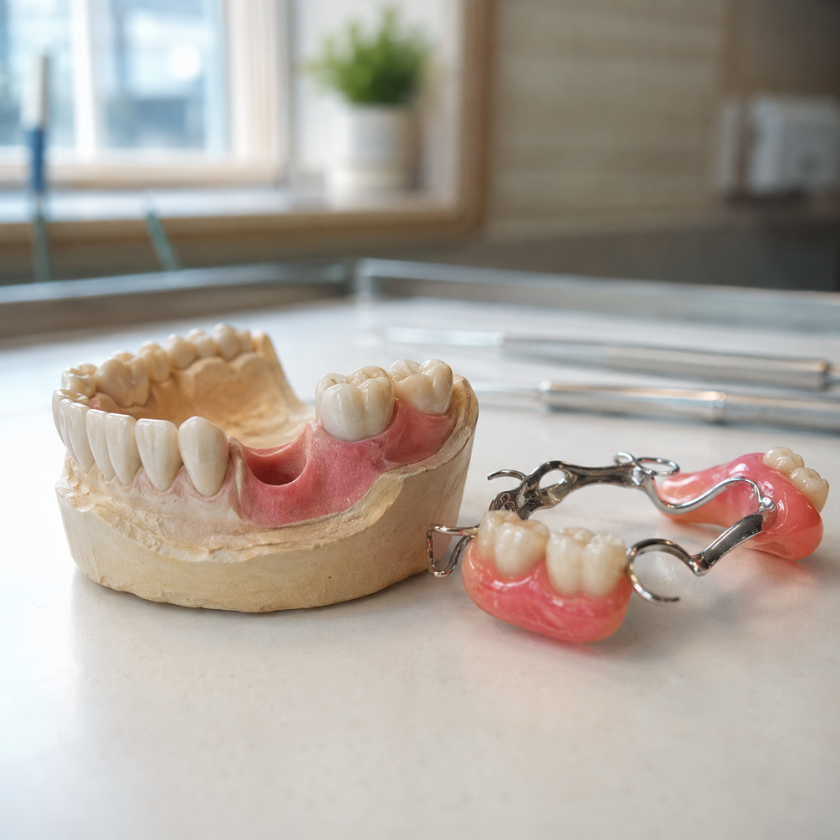


How Adding Teeth Can Restore Denture Fit and Function
Losing a tooth after you already have a partial denture has a specific kind of frustration to it. You just got used to the one you have. Now there's a new gap, and the whole thing feels like it's back to square one. Here's the good news: it usually isn't. In a lot of cases, the fix isn't a brand-new denture — it's adding a tooth to the one you're already wearing.
That distinction matters more than it sounds like it should, both for your wallet and for how your current denture actually performs day to day.
Why a Single Missing Tooth Is a Bigger Deal Than It Looks
It's tempting to treat one more missing tooth as a small problem, especially if it's tucked toward the back of your mouth where nobody sees it. Biologically, though, your mouth doesn't leave empty space alone for long.
According to the Cleveland Clinic's overview of tooth loss causes and complications, leaving a missing tooth unreplaced can allow nearby teeth to shift out of position, which raises the risk of bite problems, jaw discomfort, and further tooth loss down the line.
That shifting is the part that really matters if you already wear a partial. Your existing denture was built to match the exact position of your remaining natural teeth — its clasps, its base, the way it seats into place. When those teeth start to drift, even slightly, the whole appliance can start to feel different: looser in one spot, tighter in another, or just generally "off" in a way that's hard to explain to your denturist over the phone.
What "Adding a Tooth" Actually Involves
When Your Existing Partial Can Be Modified
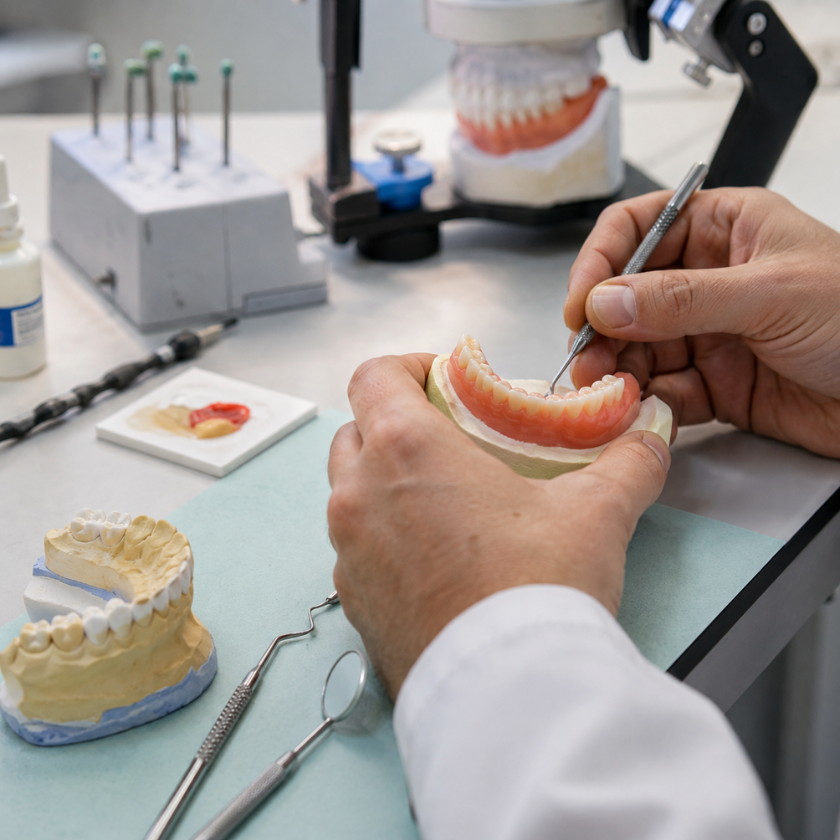
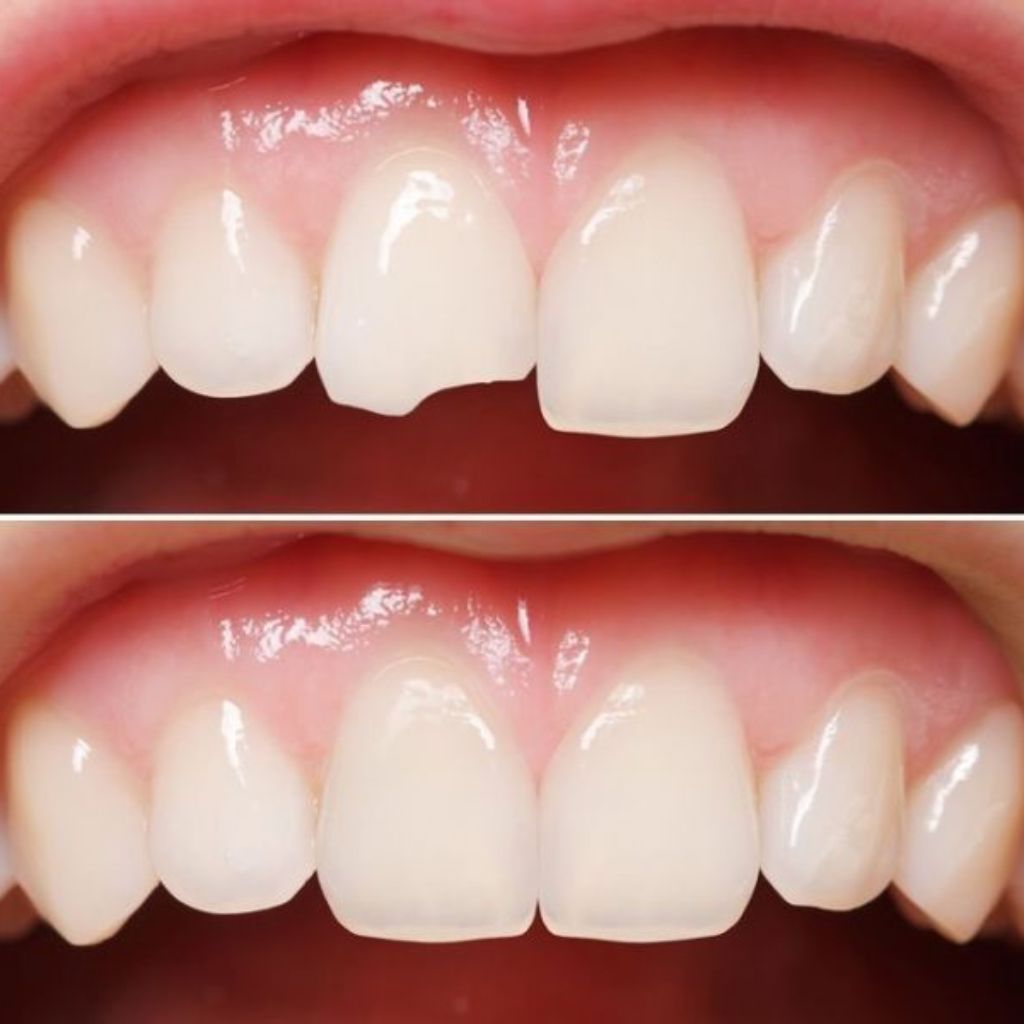
If the newly lost tooth sits next to or near the area your partial already covers, there's a good chance your denturist can add a replacement tooth directly to the existing appliance instead of starting over. This works especially well with acrylic-based partials, where a lab can build up the base and set a matching tooth into it without remaking the whole piece. Metal-framed partials can sometimes accommodate an addition too, though it takes more planning, since the new tooth has to integrate with a rigid frame rather than a flexible acrylic base.
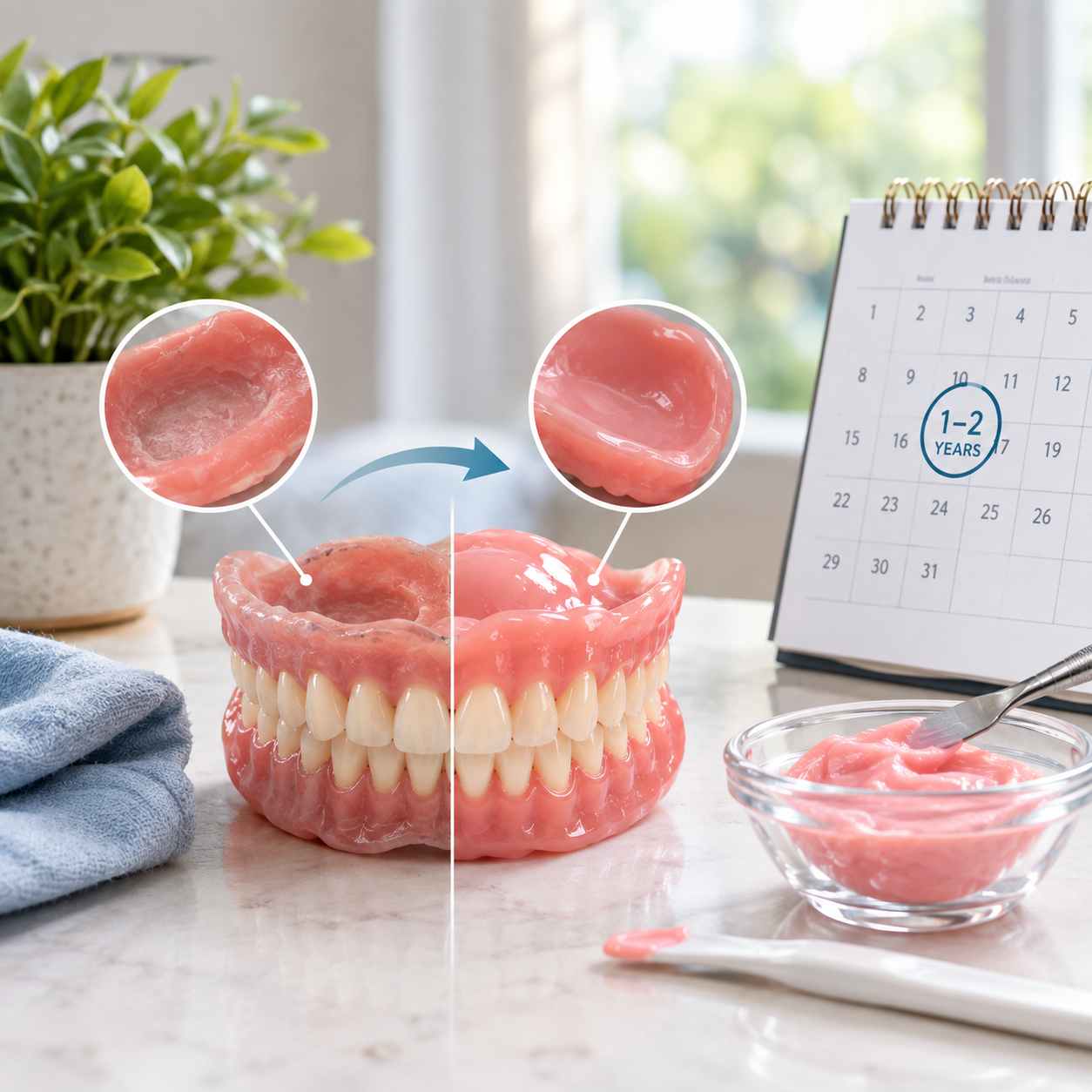
This is essentially a form of denture repair, and it's worth knowing it falls under routine denture repair and relines rather than being some rare, complicated exception.

When a New Denture Is the Better Investment
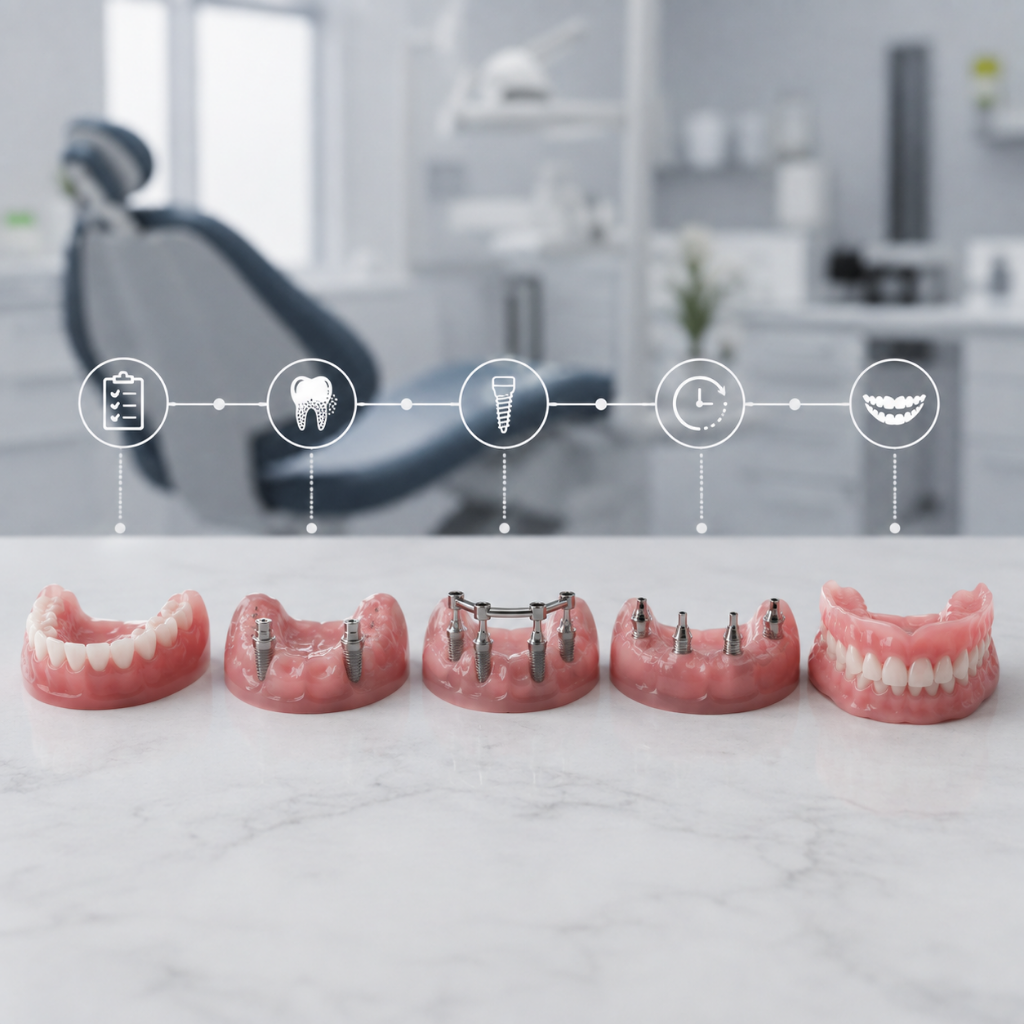
Modification isn't always the right call, and a good denturist will tell you that instead of forcing a fix that won't hold up. If the newly missing tooth is on the opposite side of your mouth from your current partial, if you've lost more than one tooth at once, or if your existing base has worn down significantly, building a new partial from scratch is usually the more reliable long-term option. Stretching an aging appliance to cover ground it wasn't designed for tends to create more office visits, not fewer.
Cost is often what people are really asking about when they ask this question, and it usually favors modification when modification is realistic. Adding a tooth to an existing base is typically a same-day or next-day repair. A new partial means new impressions, a full lab fabrication process, and a longer turnaround. A denturist can usually tell you which category your situation falls into after a single look.
The Real Payoff: Function, Not Just a Filled Gap
It's easy to think of adding a tooth as a cosmetic touch-up. In practice, it's closer to a functional repair.
According to the Cleveland Clinic's overview of denture types and function, dentures are built to restore oral health and function, making everyday chewing and speaking noticeably easier.
Adding a tooth back into an existing partial restores the bite balance the appliance was originally designed around. That means more even chewing pressure, less strain on the teeth doing extra work to compensate, and a denture that seats the way it did when it was new.
According to the National Institute of Dental and Craniofacial Research's data on tooth loss in adults, adults between the ages of 20 and 64 have an average of just 25.5 remaining natural teeth.
That's a smaller number than most people expect, which is really the point: every tooth in that count is doing real work, and losing even one changes the math for the teeth left to pick up the slack.
Signs It's Time to Get Yours Checked
A few signals it's worth calling your denturist rather than waiting it out:
- Your partial suddenly feels looser or clicks when you talk or chew
- Food keeps getting trapped in a spot that never used to be a problem
- You've noticed a new gap since your last checkup
- One side of your mouth is doing noticeably more chewing than the other
None of these mean your current denture is a lost cause. Most of the time, they just mean it's due for an evaluation.
Talk to Your Denturist Before the Gap Grows
The earlier a newly missing tooth gets addressed, the more likely your current partial can simply be adjusted rather than replaced. If it does turn out you need something more involved, an evaluation will tell you that with a clear plan attached, instead of guesswork. Many insurance plans and Medicaid dental benefits also cover repairs and modifications like this, so it's worth asking before assuming the cost will be more than it actually is.
If a tooth has gone missing since you got your partial, don't wait for it to become five problems instead of one. A quick check-in now is almost always simpler than the fix later.